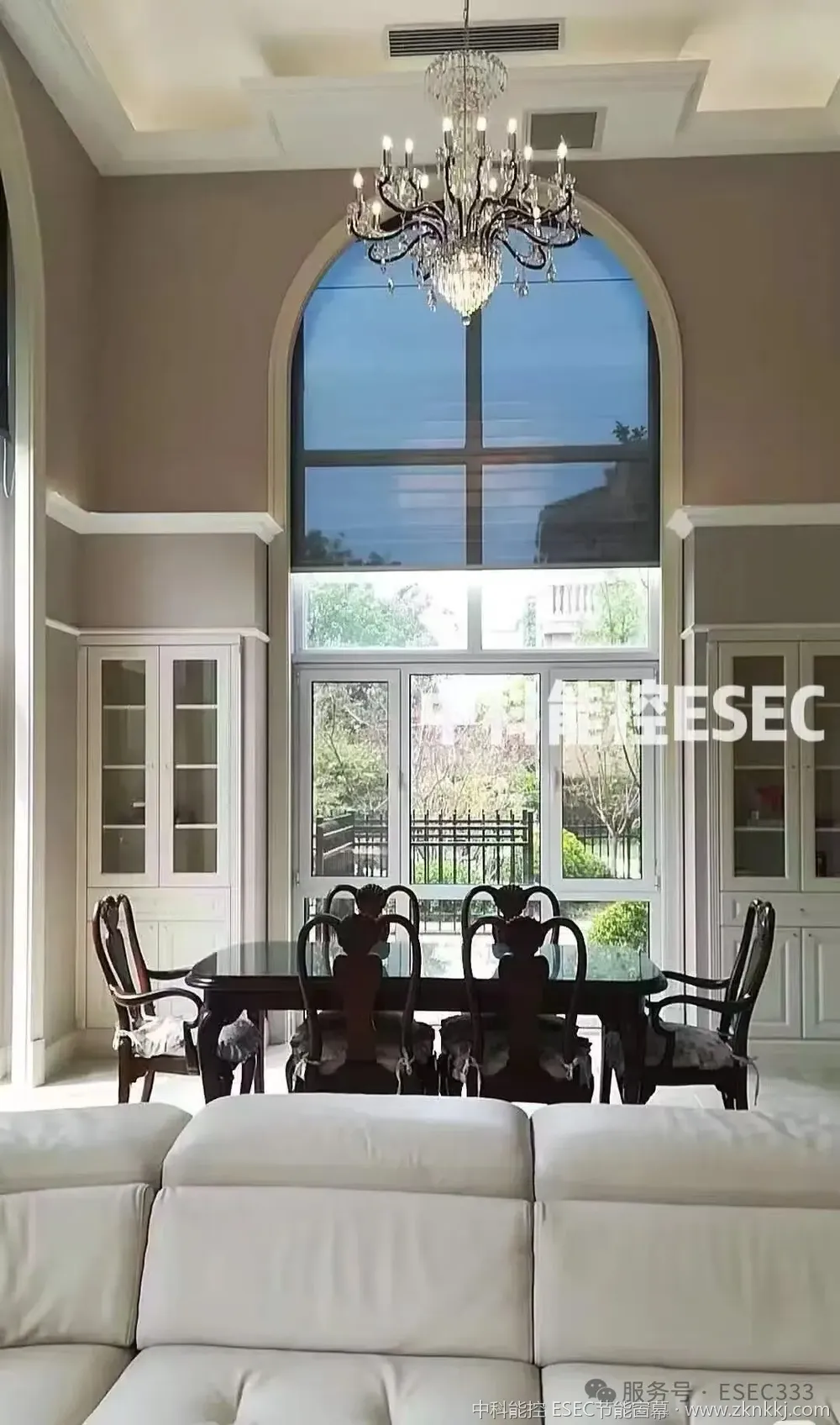

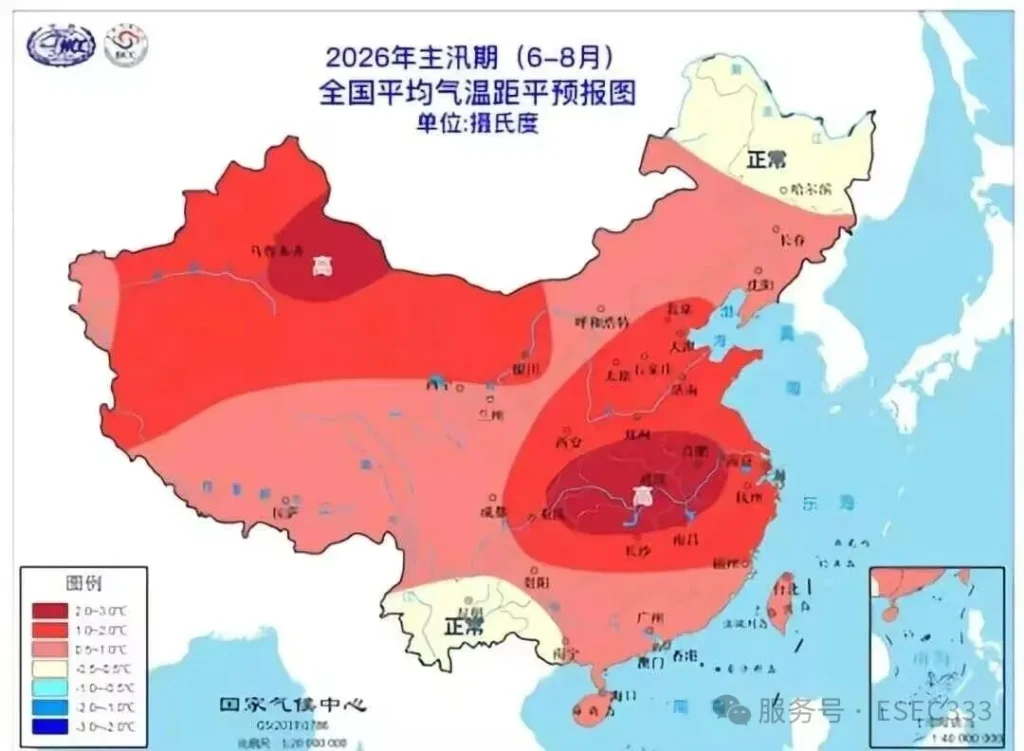
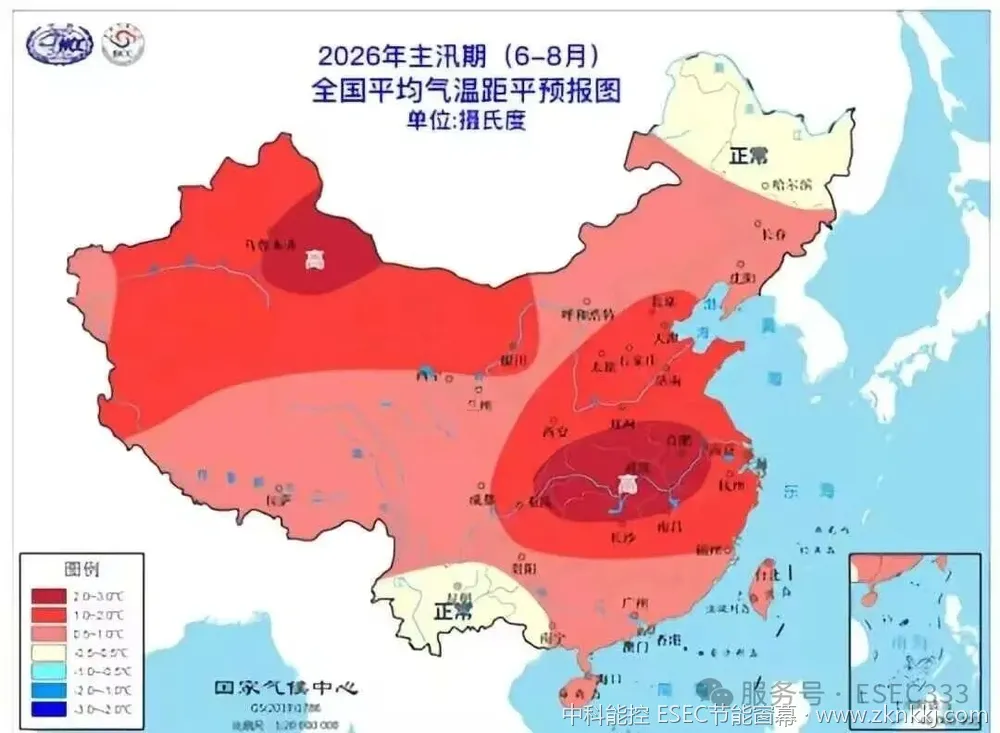
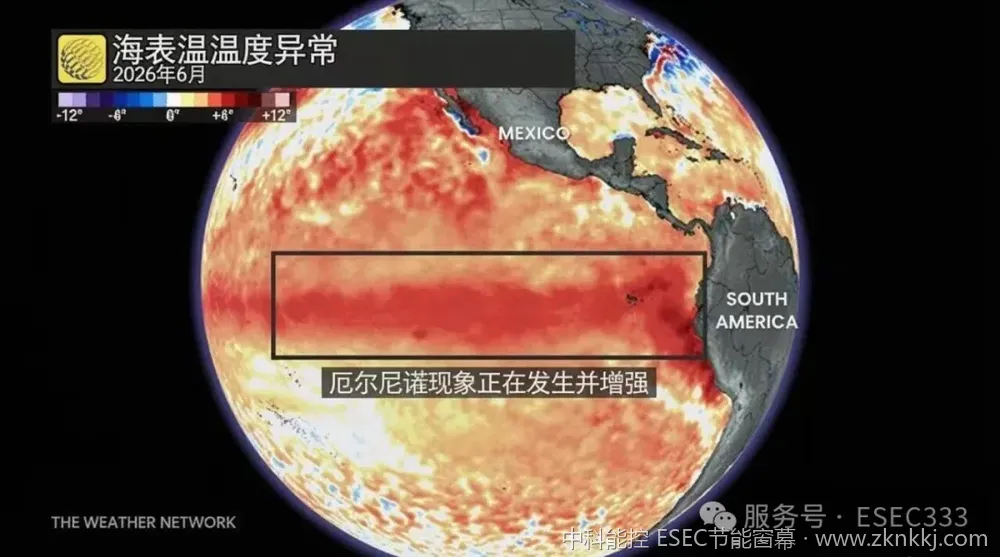
This year, under the continued influence of El Nino, many parts of the country have seen unusually long spells of extreme heat, with record maximum temperatures broken again and again. Whether it is the vast glass curtain walls of urban office towers, the west-facing floor-to-ceiling windows of homes, social-media-famous sunrooms or shopfront display windows along the street, large glazed structures quickly accumulate heat under direct sunlight, turning interiors into steamers: temperatures in office areas near windows run 3-6 C higher than in the center of the room, sunrooms become unbearably stuffy in the afternoon, air conditioners run at high load around the clock, electricity bills soar and energy consumption stays high, while intense ultraviolet light also accelerates the ageing and fading of furniture and interior finishes. The shortcomings of conventional glass insulation solutions are now glaring: ordinary solar film tends to blister and yellow and offers poor light transmission; heavy shading blinds block daylight, so artificial lighting is needed even during the day; and drilled-on shading devices damage the original interior structure. In extreme heat, it is very hard to balance the three core requirements of insulation, daylighting and energy saving. Faced with the normalized high-temperature test brought by El Nino, solar protection and insulation for buildings is no longer a seasonal need but a long-term energy-saving imperative. The insulating view-through shading window curtain from Zhongke Energy Consumption Control (ESEC) Technology Co., Ltd. (Beijing), with its core strengths of no drilling, high insulation and high light transmission, has become an upgraded solution that replaces conventional window film and ordinary blinds. It fits every scenario, at work or at home, opening a new path for buildings to withstand extreme heat and achieve long-term energy saving and carbon reduction.
The ESEC window curtain relies on its proprietary ESEC nano radiation shielding technology to achieve precise spectral control, efficiently reflecting 88% of solar infrared radiant heat while retaining 78% visible light transmission, truly insulating without blocking the view and shading without blocking light. In the extreme exposure conditions caused by El Nino, interiors fitted with the window curtain stay 3-4 C cooler and air-conditioning cooling loads are sharply reduced; measured results show whole-building comprehensive energy savings of 30%-50%, reducing at source the high electricity bills and carbon emissions generated by air conditioners running continuously on hot days. Unlike conventional shading installations that require drilling and damage window frames, the product uses an indoor roller-blind structure that fits all flat glass. Office tower retrofits need no business shutdown during construction, home installation does not harm existing finishes, and it can be deployed quickly in rented homes, existing ageing buildings and new green buildings. It is a perfect fit for every high-heat scenario, including west-facing glazing, sunrooms, office curtain walls, residential floor-to-ceiling windows and retail display windows.
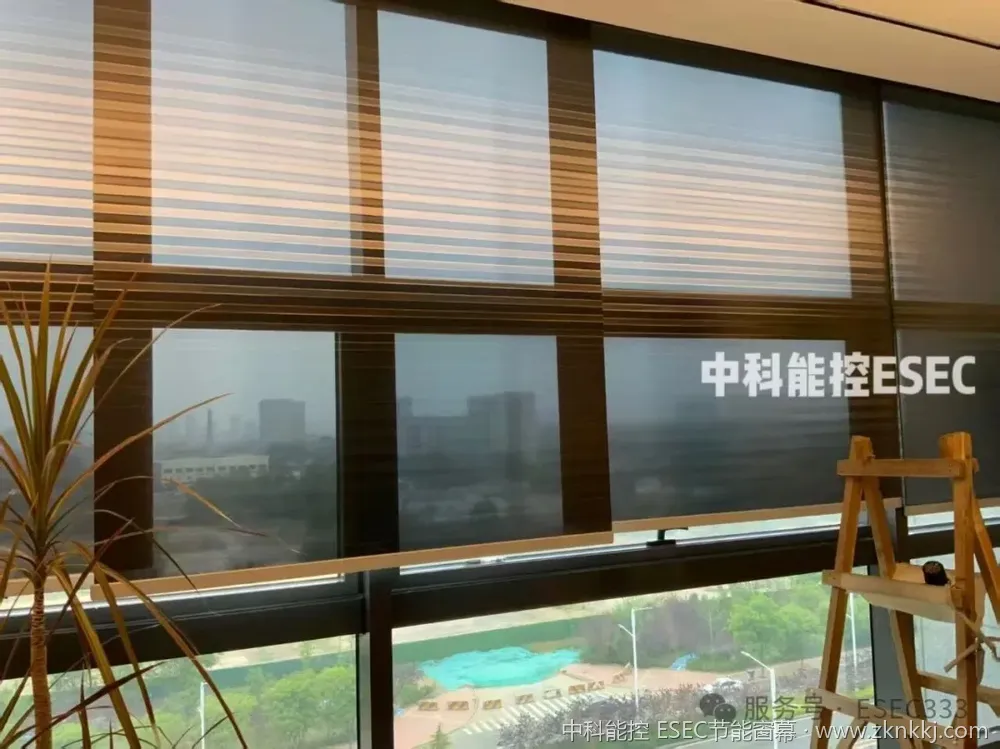
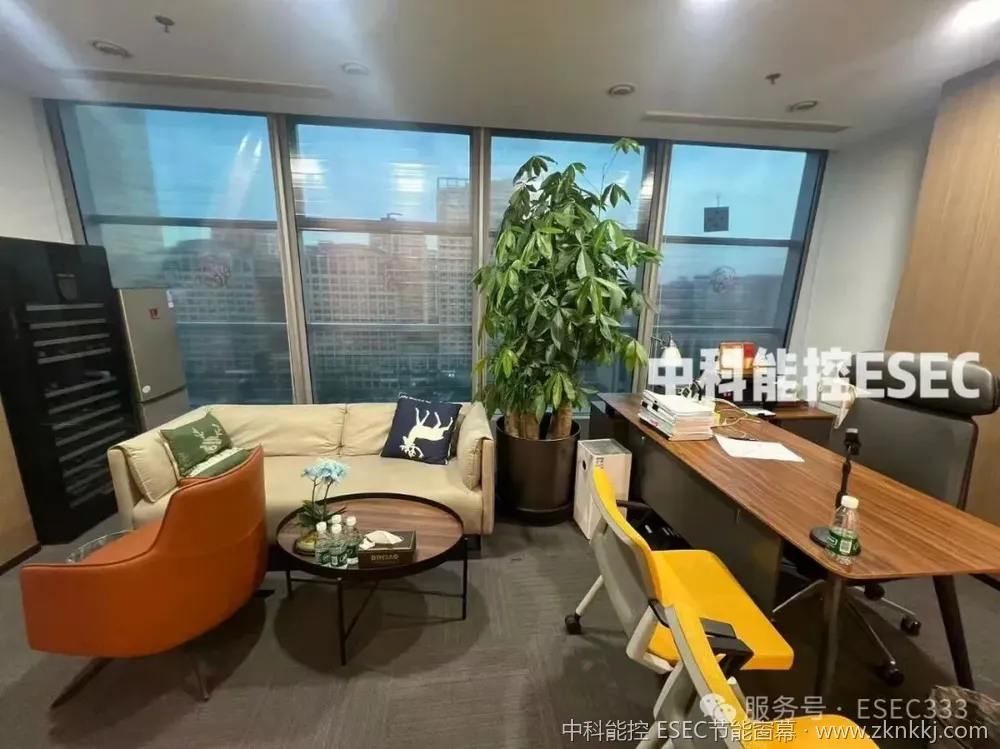
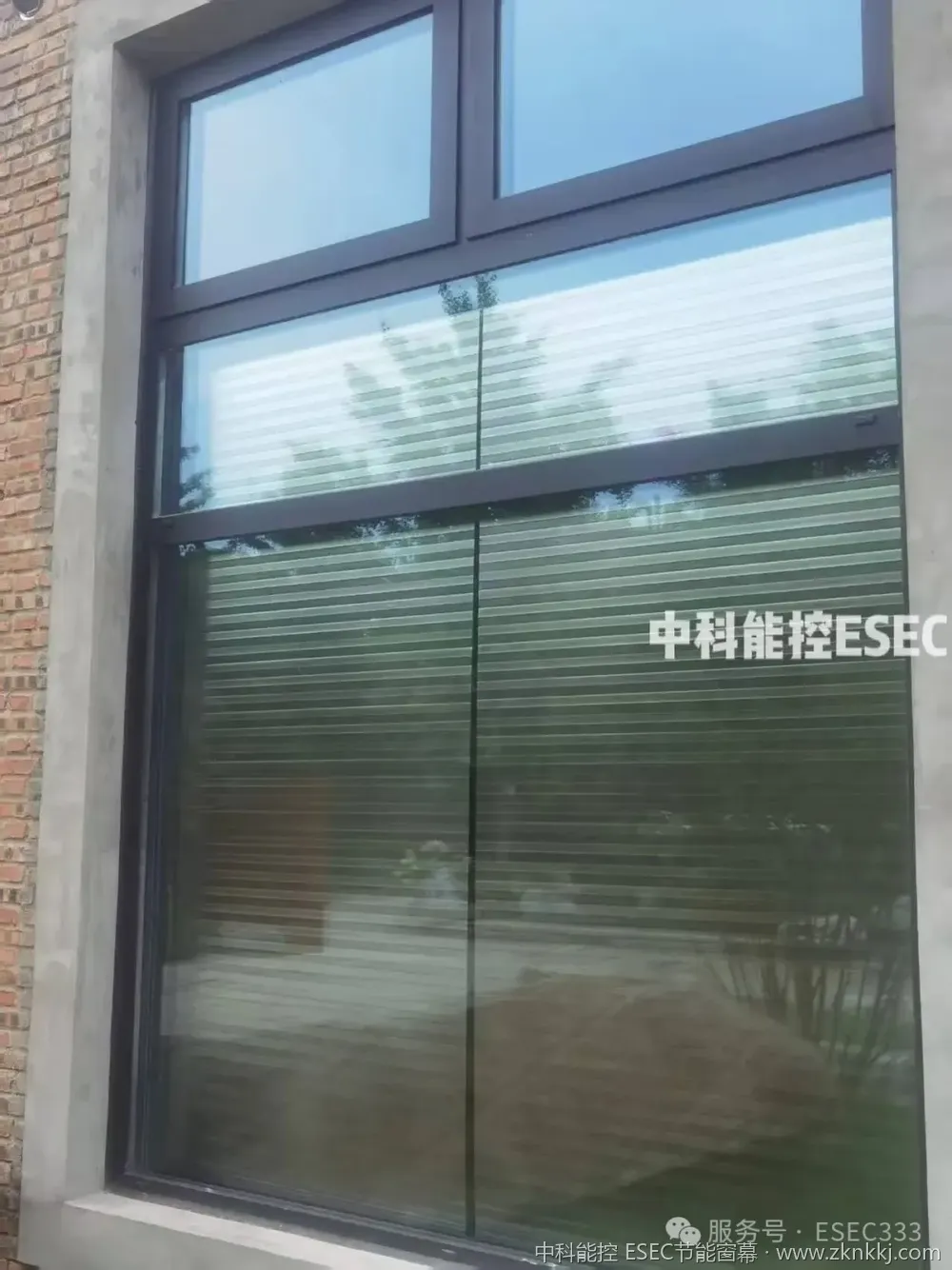
Under extreme heat, the health attributes of the indoor environment deserve just as much attention. Some low-quality solar films on the market contain volatile harmful substances; under intense heat and sunlight, formaldehyde and VOCs are released at a faster rate, endangering the health of office workers and residents. Ordinary fabric blinds age easily under prolonged exposure, accumulate dust and breed bacteria. The substrate of the ESEC window curtain has passed environmental testing and is formaldehyde-free with low VOCs, meeting the B1 flame-retardant standard. Even in a sealed, hot summer environment it releases no harmful gases; its heat resistance and weather resistance are stable, and its overall service life reaches 15 years. It provides long-term protection against the recurring annual heat brought by El Nino without frequent replacement or renovation. Compared with inferior solar film that must be replaced every year, its cost-effectiveness across the full life cycle is clearly superior. The product also blocks most ultraviolet rays, effectively preventing residential wooden floors and soft furnishings, as well as office furniture and interior finishes in office towers, from fading and ageing under strong light, extending the service life of indoor facilities and reducing resource consumption.
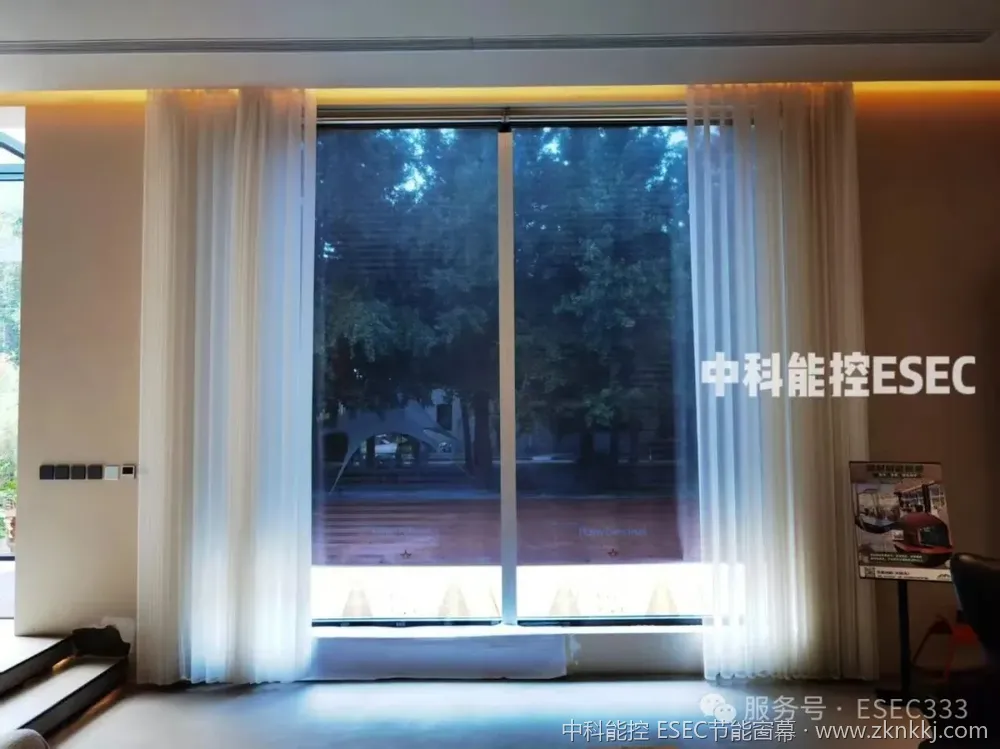
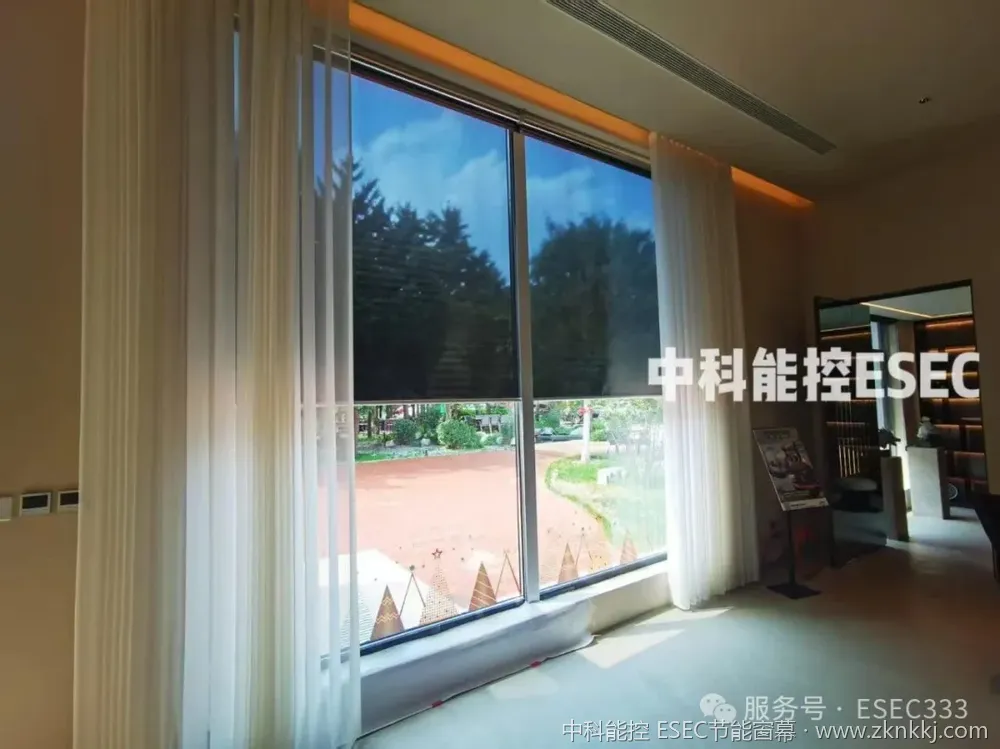
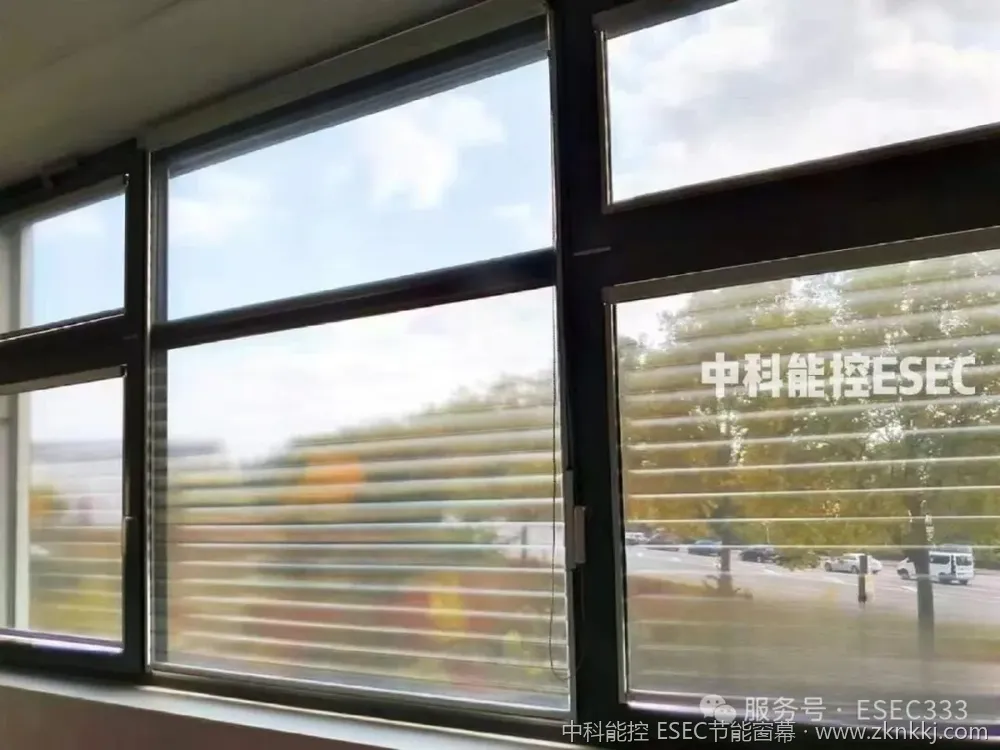
In terms of industry credentials, the ESEC window curtain has long held Energy-Saving and Carbon-Reduction Demonstration Product certification and, as a core co-drafting organization, took part in preparing the Technical Standard for Energy-Saving and Carbon-Reduction Retrofitting of Existing Hospital Buildings. Its performance has been reviewed by national-level experts and verified through a large number of engineering measurements, and it has been deployed in more than a hundred projects, including major office centers in Beijing, covering heat-prone regions such as the Beijing-Tianjin-Hebei region, the Yangtze River Delta and the Pearl River Delta. Under the normalized high temperatures brought by El Nino, it continues to provide reliable insulation and energy-saving solutions for all kinds of buildings.
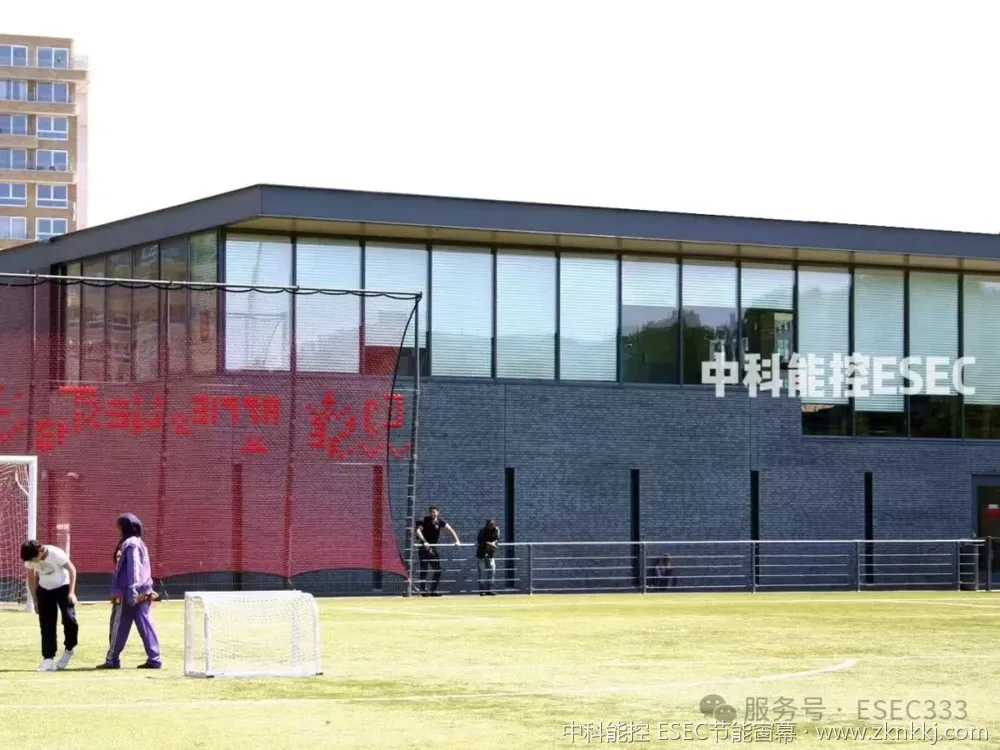
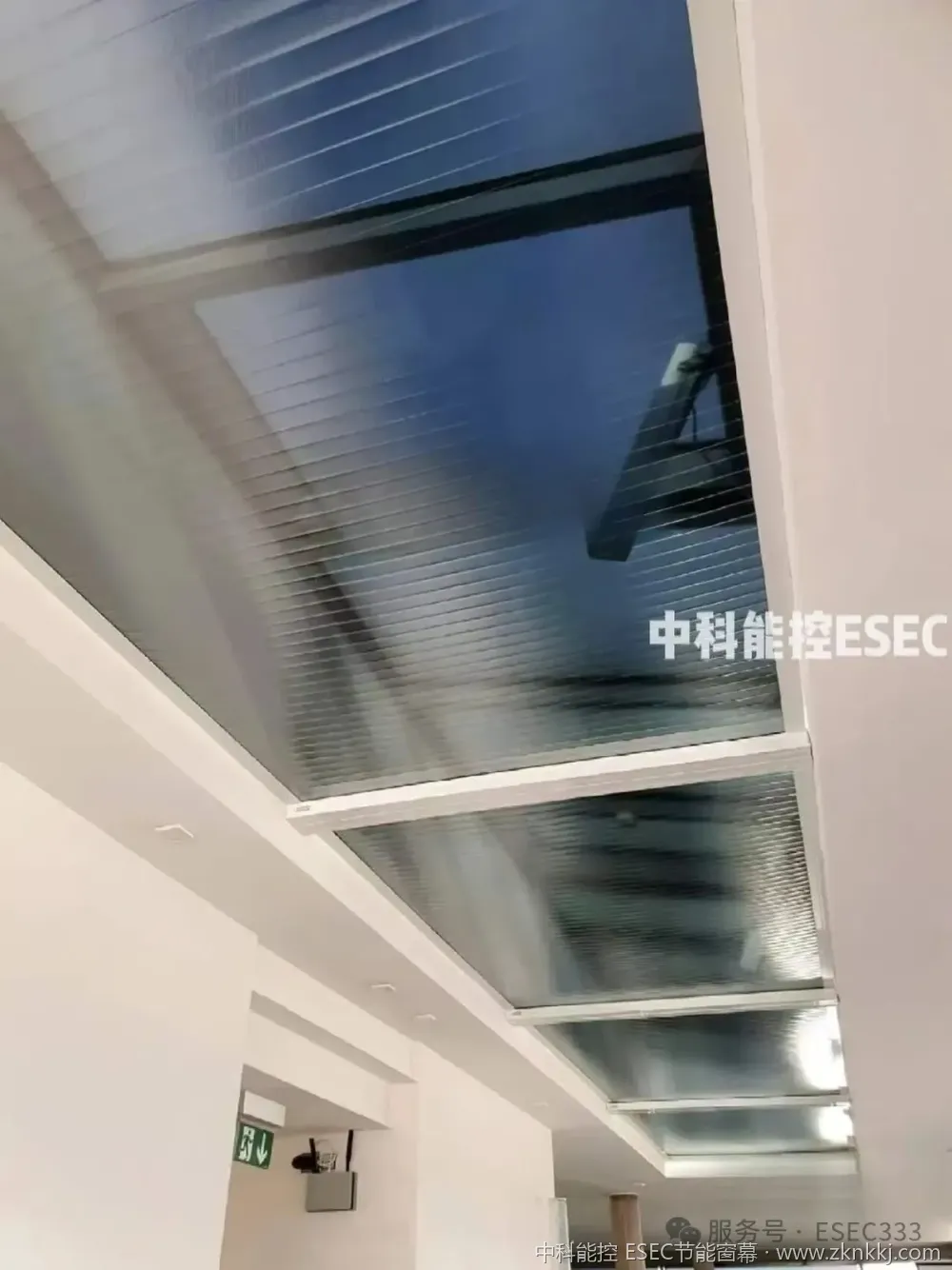
Now that El Nino has made extreme summer heat the norm, building insulation and solar protection is no longer a short-term seasonal fix but a long-term undertaking that balances living comfort, cost control and the dual carbon goals. Instead of light-blocking, stuffy ordinary blinds or fragile, inefficient conventional solar film, choose the ESEC insulating view-through shading window curtain. With its damage-free installation and its hard-core combination of high insulation and high light transmission, it helps office towers cut operating energy consumption and helps families say goodbye to stuffy summers, keeping interiors cool in extreme heat and, through lightweight energy-saving retrofits, helping urban buildings move as a whole toward a green, low-carbon future.