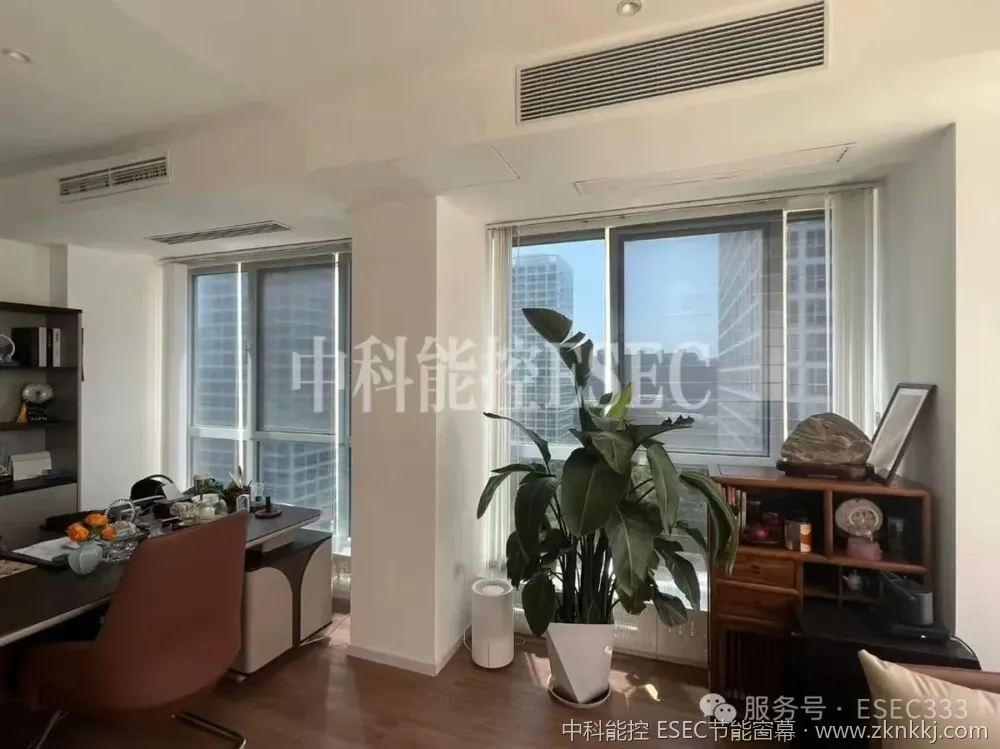

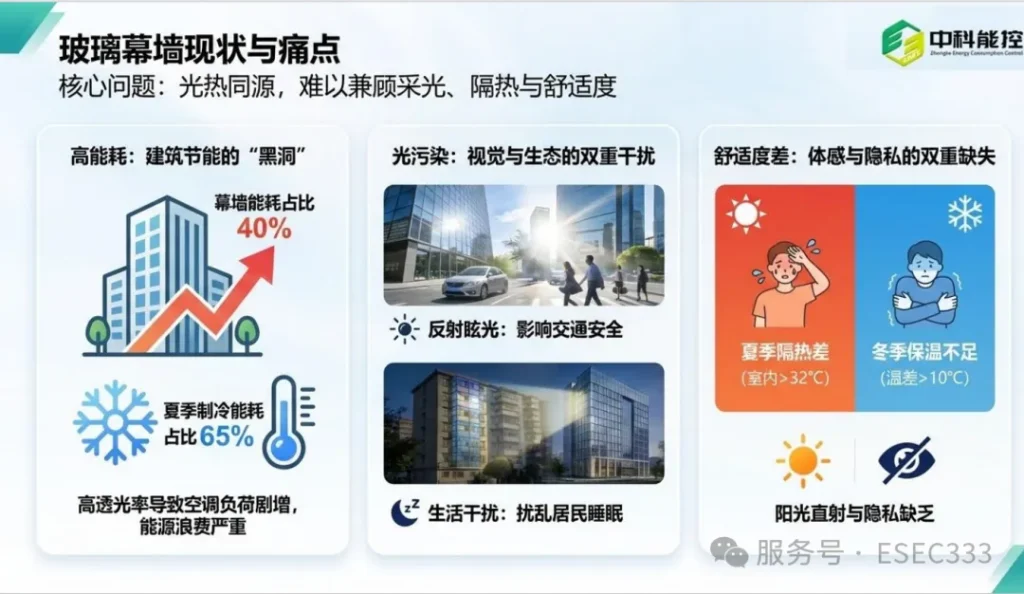
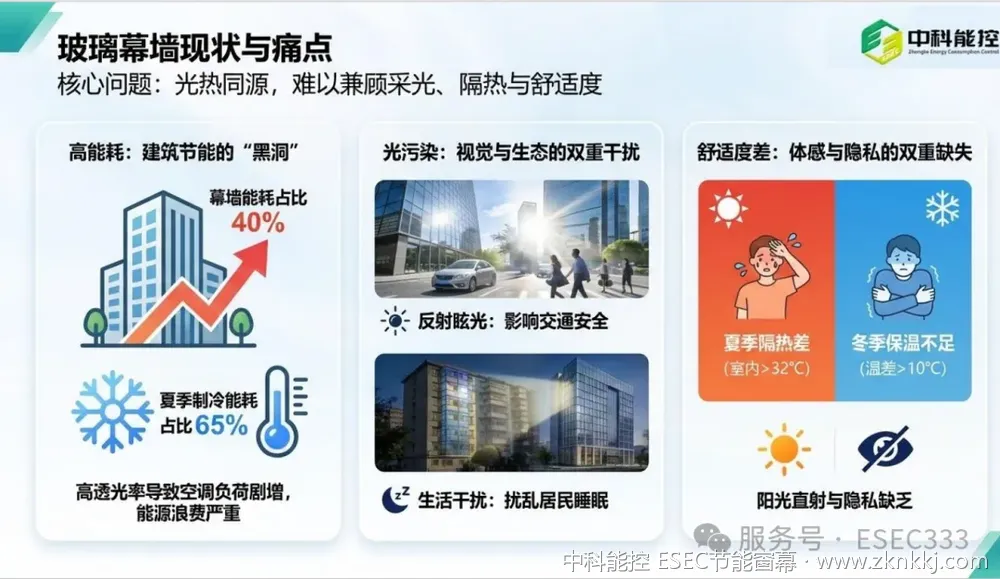
Under the influence of El Niño, extreme summer heat has become the norm in China, and the energy-efficiency weaknesses of large numbers of glass curtain wall buildings have been fully exposed. As a mainstream modern façade form, glass curtain walls offer open views and an attractive appearance, yet they are also a vast energy black hole inside the building. Authoritative industry data show that buildings account for more than 33 percent of the country’s total energy consumption, and heat loss through doors, windows and curtain walls alone accounts for 40 percent of a building’s total energy use. Under a blazing sun, ordinary glass absorbs large amounts of solar infrared radiation, driving indoor temperatures sharply higher and forcing central air conditioning to run at full load for extended periods; in winter, indoor heat escapes rapidly back out through the glass. Year after year, stubbornly high air-conditioning and heating costs have become the single largest cost burden for the operators of office towers, shopping malls, hospitals and other buildings. With the national standard GB 55015-2025 now in force, the solar heat gain coefficient (SHGC) and the U-value have become mandatory indicators in building assessment, upgrading curtain wall insulation from an option to a hard requirement — and making the energy upgrade of existing buildings an urgent priority.
At present, retrofitting existing glass curtain walls in China mainly involves three mainstream approaches: replacing the glazing with high-performance insulated glass, installing exterior shading equipment, or deploying interior shading products. Each has its strengths and weaknesses, but when implementation difficulty and capital outlay are weighed together, only an indoor insulating window curtain can balance insulation performance, project cost and day-to-day operational needs.
The first approach is to replace everything with triple-silver Low-E insulated glazing. Purely in terms of thermal performance, it delivers the most stable insulation and can optimize the curtain wall’s U-value at the source, but its practical limitations are severe. Take a 30-storey office tower with 8,000 m² of curtain wall: a full glass replacement can cost well over 10 million CNY and take 6 to 9 months to complete. The work requires erecting high-altitude scaffolding, so the building has to cut back its leasable area or even suspend operations, and the owner must also compensate tenants for related losses. On top of that, after years of service the old curtain wall mullions make large-scale glass replacement prone to water seepage and structural load-bearing problems. The high cost and the hidden expenses deter the vast majority of operators.
The second approach is to add exterior shading louvers to the façade. Exterior shading blocks sunlight before it reaches the glass and performs excellently, but the approval process for altering a façade is lengthy. The appearance of urban building façades is strictly controlled by planning authorities, and a retrofit plan must go through review by the owners’ assembly and multiple rounds of departmental approval, with the whole process often taking as long as a year. Outdoor louvers are exposed year-round to wind, rain and sun, rust and deteriorate easily, and carry persistently high maintenance costs — not an ideal choice for retrofitting existing buildings.
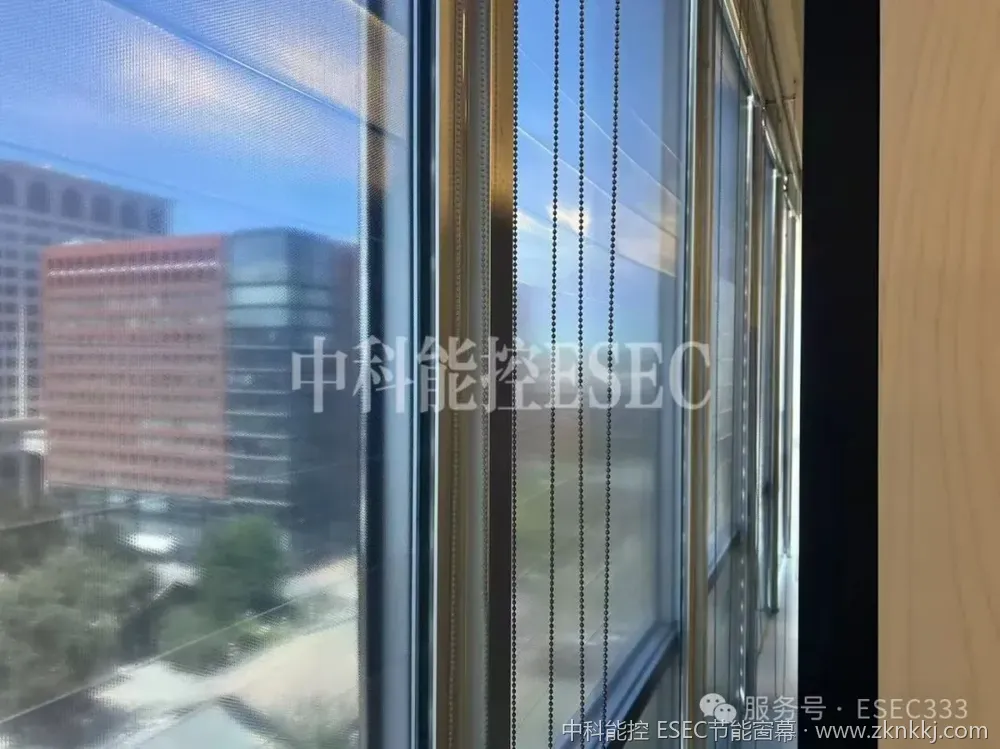
The third approach is to install ESEC’s insulating view-through shading window curtain, which is currently the mainstream option for lightweight retrofits of existing curtain walls. Built on a proprietary spectral-selection technology, the product blocks more than 90 percent of infrared heat sources while allowing over 70 percent of visible light to pass through normally, genuinely combining high insulation with high light transmission. It effectively lowers indoor temperatures in summer and retains indoor heat in winter, achieving an overall energy-saving rate of 20 to 30 percent. All installation is carried out indoors, with no modification to the existing curtain wall structure and no change to the building’s overall façade, eliminating complex approval procedures and leaving the building’s normal office operations completely undisturbed. On cost, a full window curtain retrofit runs to only one third of an insulated glass replacement, and most projects recover the upfront investment within 4 to 6 years thanks to the air-conditioning electricity savings. The product lasts up to fifteen years, far longer than ordinary solar film, with outstanding whole-life economic returns.
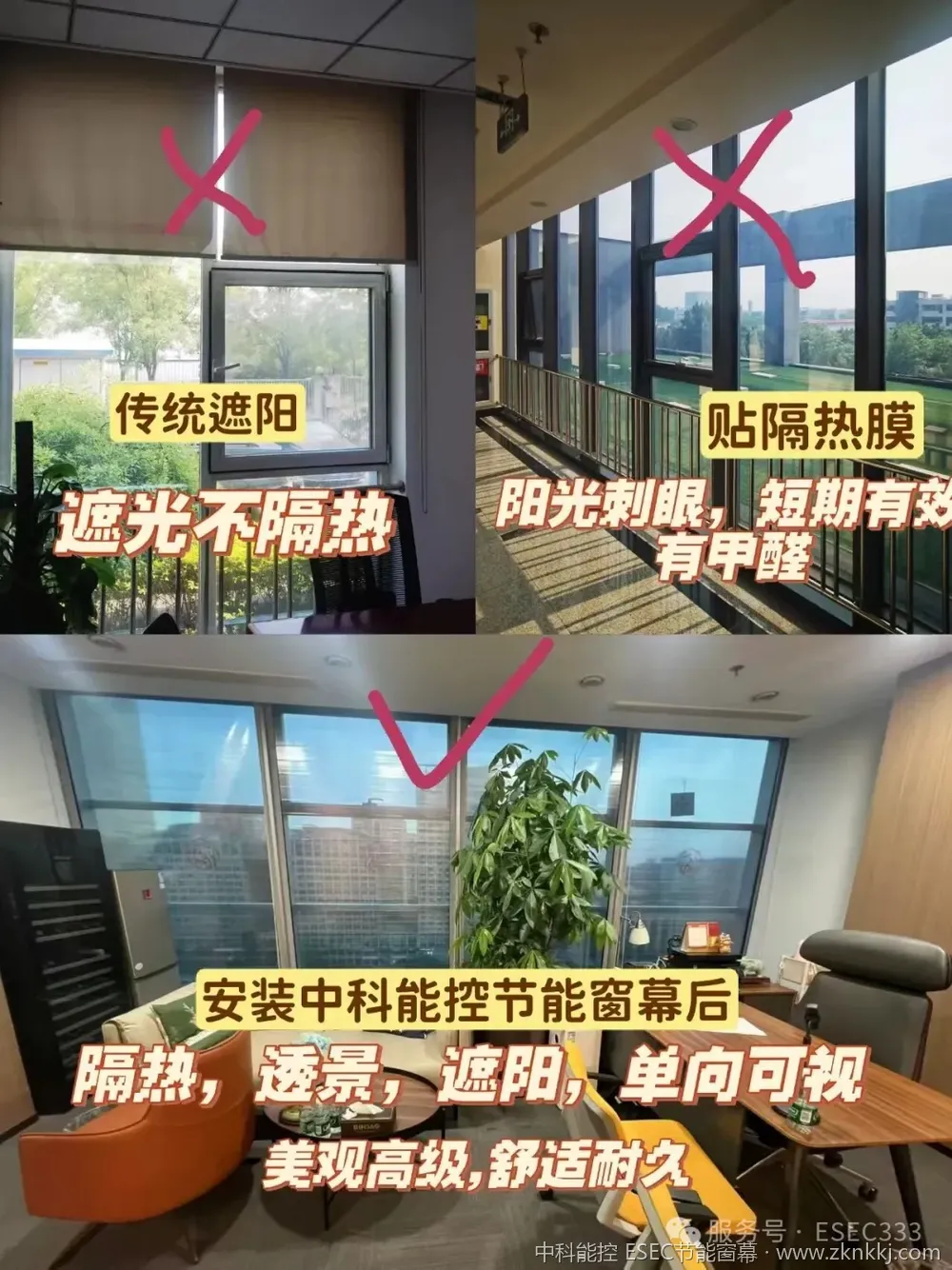
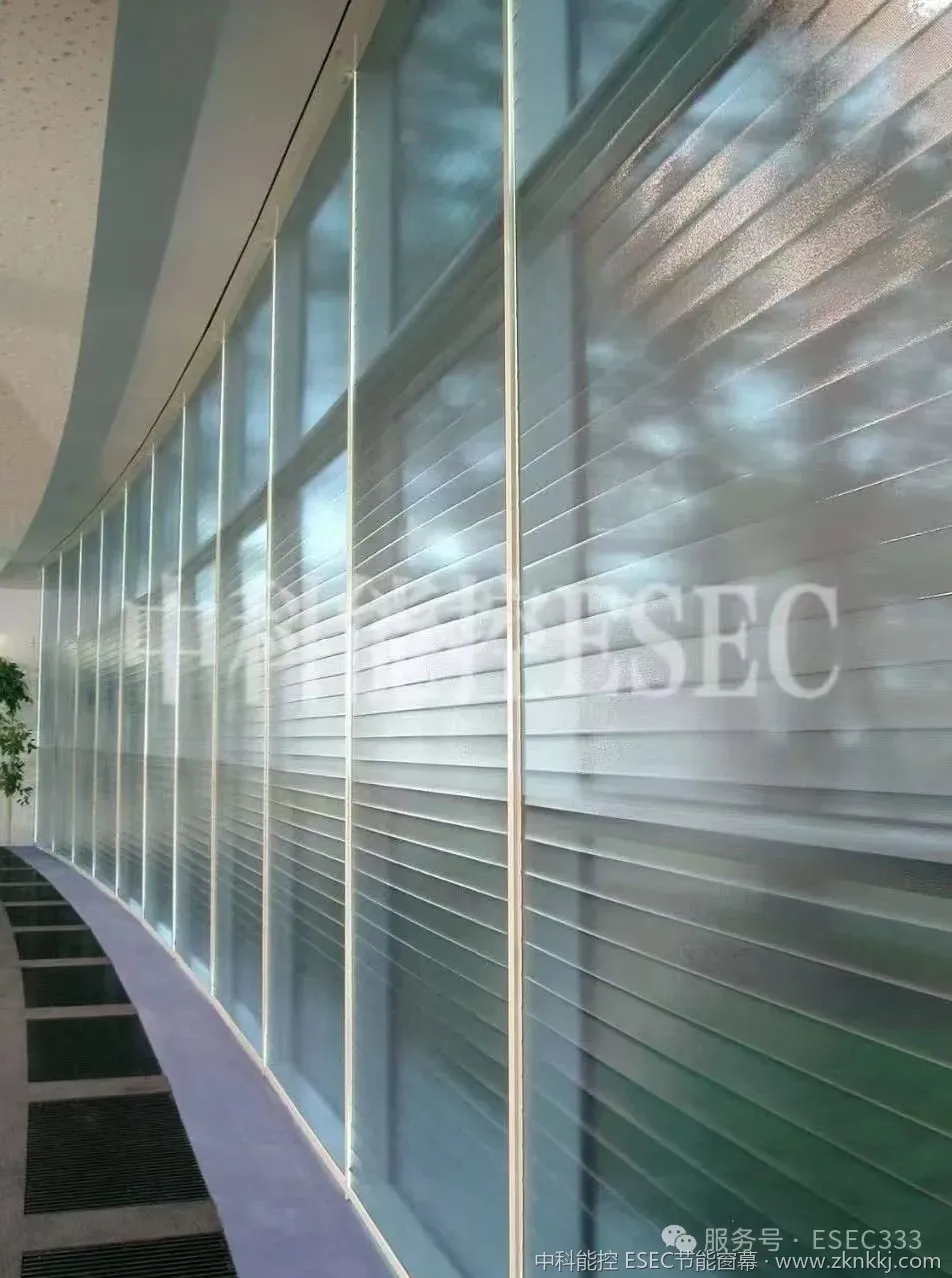
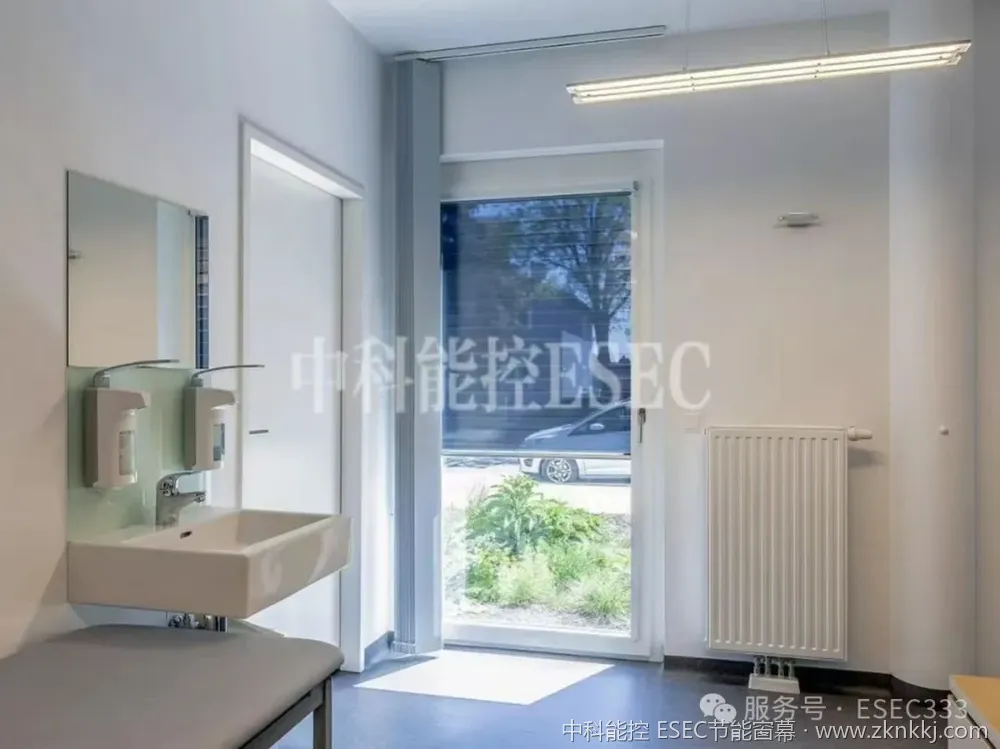
Building energy efficiency has now entered a stage of refined development, and blindly choosing high-cost retrofit projects only adds to operating pressure. With its core advantages of low cost, fast installation, stable performance and broad applicability, ESEC’s insulating view-through shading window curtain resolves the long-standing thermal weaknesses of glass curtain walls, providing a mature and workable energy-saving retrofit solution for all kinds of existing buildings and helping industries steadily deliver on the dual carbon goals.