

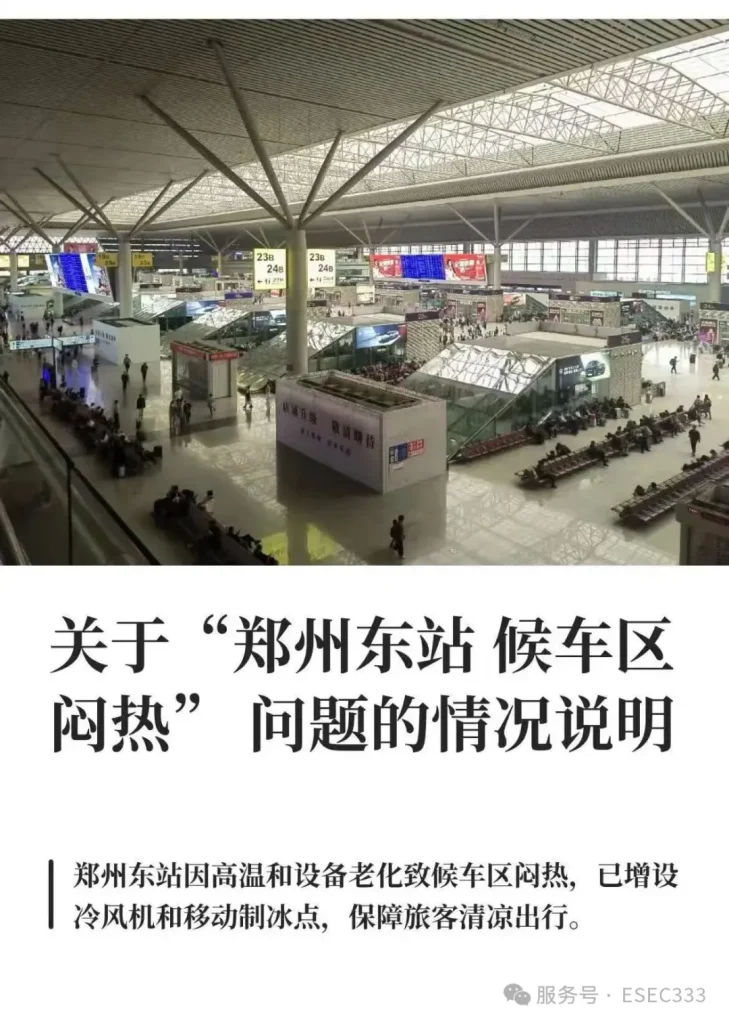
Zhengzhou East Railway Station recently went viral across social media for being too hot: measured temperatures in the waiting hall exceeded 33 °C, and even with the central air conditioning running at full capacity around the clock and dozens of additional air coolers brought in, the stifling heat remained unrelieved. Official responses indicate that the greenhouse effect created by the vast glass dome is the core problem. The station plans to spend 30 million CNY over 213 days to upgrade its air-conditioning system, yet this addresses only terminal cooling and cannot block solar heat radiation at the source, so the problem will return in next year’s hot season.
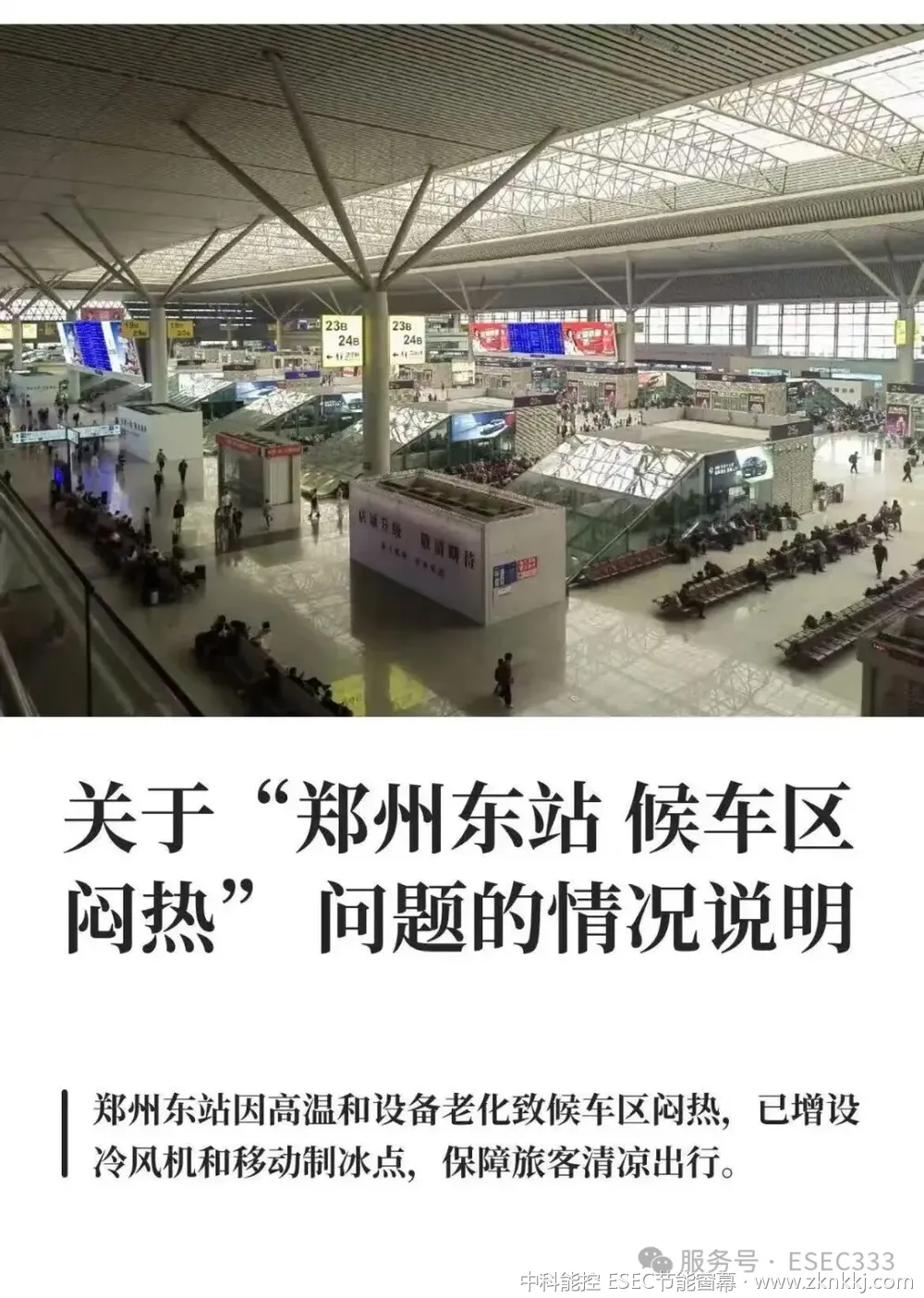
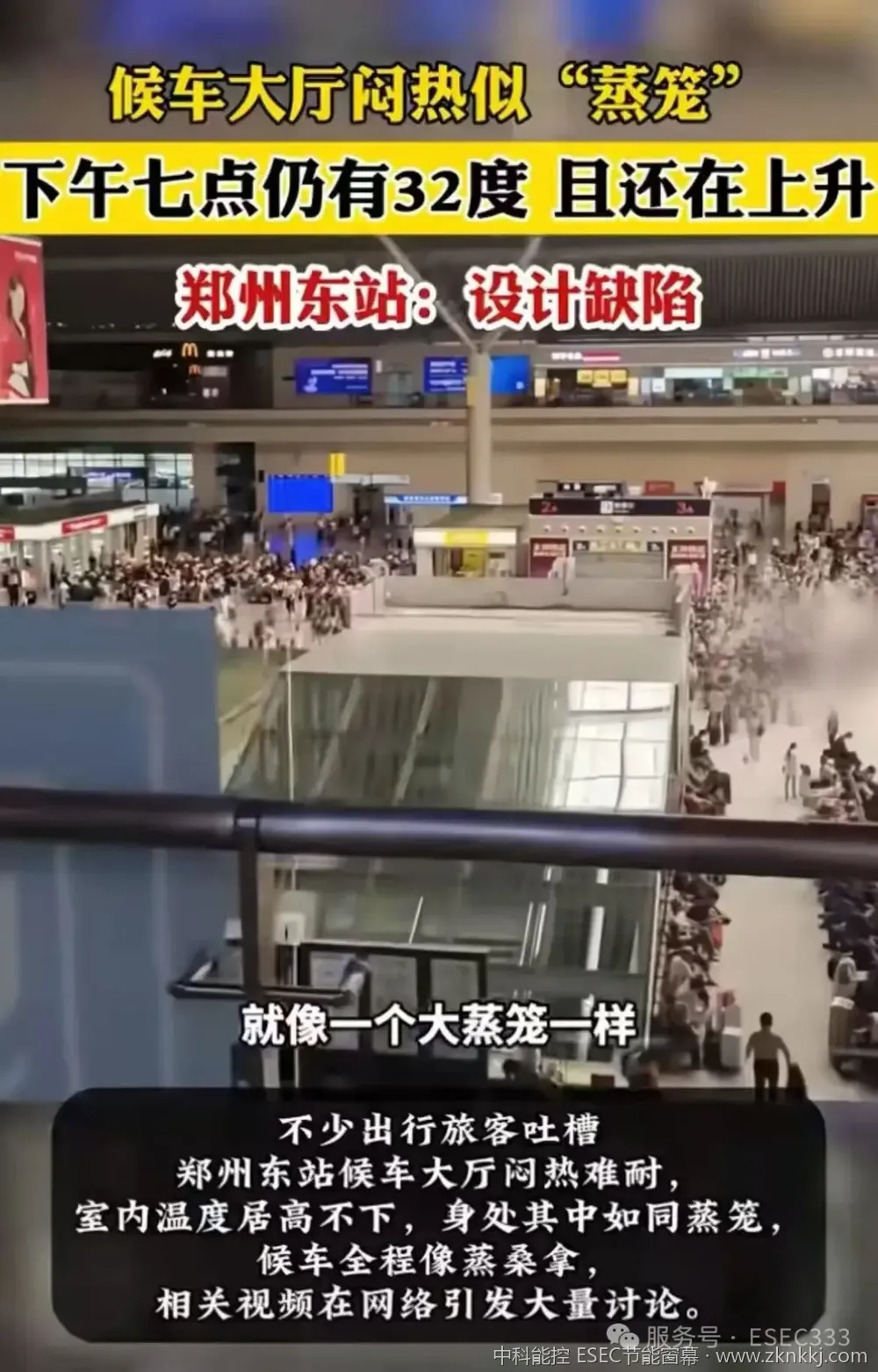
The plight of Zhengzhou East Railway Station is a microcosm of glass-curtain-wall public buildings across the country. Today, high-speed rail stations, commercial complexes, and office towers widely adopt transparent glass facades, which look attractive but allow infrared radiation to pour indoors without pause. About 53% of the energy in sunlight comes from infrared rays; short-wave natural light passes through the glass to illuminate the space, and once floors and walls absorb that heat it is converted into long-wave thermal energy that stays trapped inside the building, pushing temperatures ever higher. The waiting hall of Zhengzhou East Railway Station has a clear height of 33 meters, so hot air rises and accumulates beneath the dome, creating severe temperature stratification; no matter how powerful the air conditioning is, it struggles to balance the room temperature.
According to measured data from the building industry, heat exchange through glass doors and windows accounts for 40%–50% of the annual air-conditioning energy consumption of public buildings. For a 10,000 m² curtain-wall office building, that means an extra 20,000 kWh of electricity each month in summer and more than 100,000 CNY in cooling costs over the year. West-facing offices, shopping mall skylights, and glass showrooms in industrial parks commonly run 3–6 °C hotter near the windows, and rising electricity bills plus a poor indoor experience run directly counter to the nation’s dual carbon and energy-saving policies.
The four mainstream insulation retrofit options on the market today each have clear shortcomings. Upgrading the central air conditioning only removes heat passively, steadily driving up electricity use and equipment wear—a symptomatic fix rather than a fundamental one. Window film is inexpensive and easy to apply, but it blocks daylight all year round, blisters and peels within 5–8 years, and is costly to renew. Traditional shading curtains offer low insulation efficiency and block panoramic views, making them hard to fit into the unified management of large public buildings. Replacing the entire curtain wall with triple glazing delivers excellent insulation results, but the high cost and a construction period lasting months seriously disrupt normal building operations, making it hard to implement in existing buildings.
The insulating view-through shading window curtain from Zhongke Energy Consumption Control (ESEC) delivers a fundamental solution for lightweight retrofits of large glass buildings. Built on nano-scale film material, the product blocks 95% of infrared radiation and 99% of ultraviolet rays, intercepting solar heat radiation at the source. Measured results show it can cut air-conditioning load by 30%, reducing summer cooling energy consumption by nearly a third.
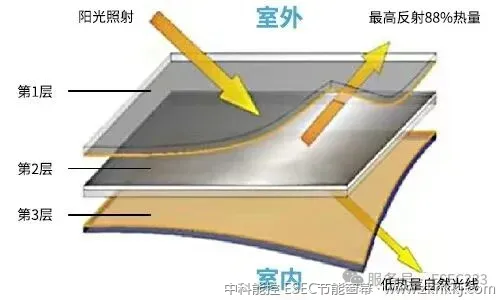
Unlike fixed window film, the window curtain supports intelligent motorized retraction: it can be lowered during the high temperatures at midday to block heat and fully retracted in autumn, winter, and on cloudy days, fully preserving the daylighting and views that glass buildings are prized for while balancing indoor privacy with an attractive facade. Installation requires no removal of the existing curtain wall; the lightweight ceiling-mounted rigging allows phased work at night, shortening the retrofit timeline by 70% compared with replacing glass, so stations and office buildings never have to shut down for the work. The system comes with integrated intelligent control, letting an entire dome or a whole building be adjusted in sync at the touch of a button; the film can be replaced individually, keeping long-term maintenance costs low.
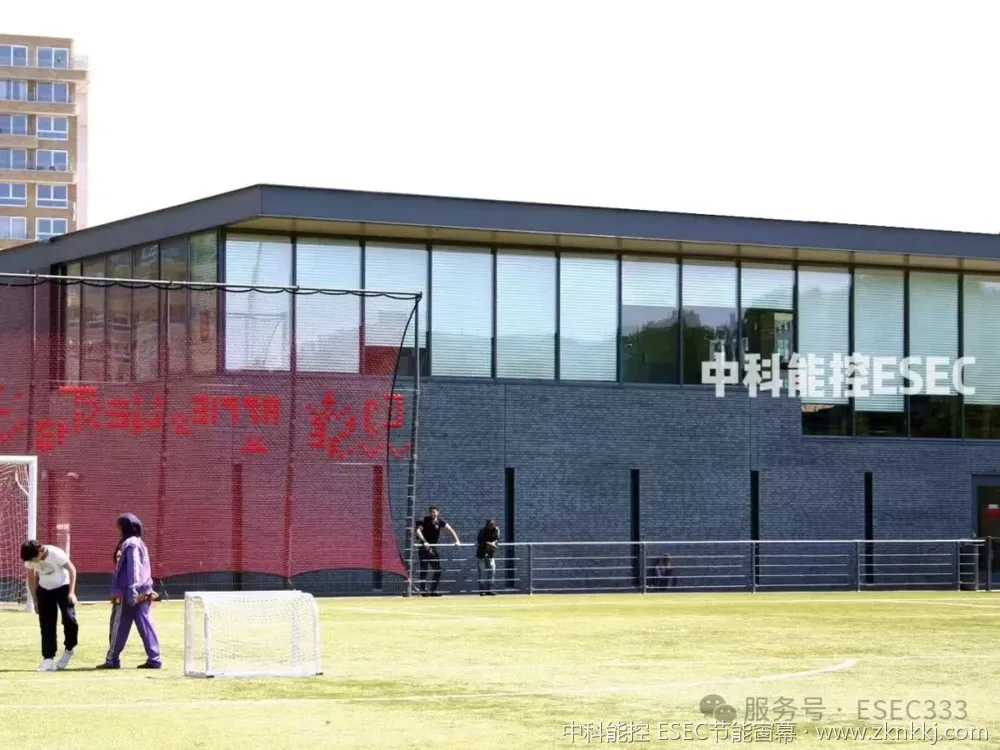
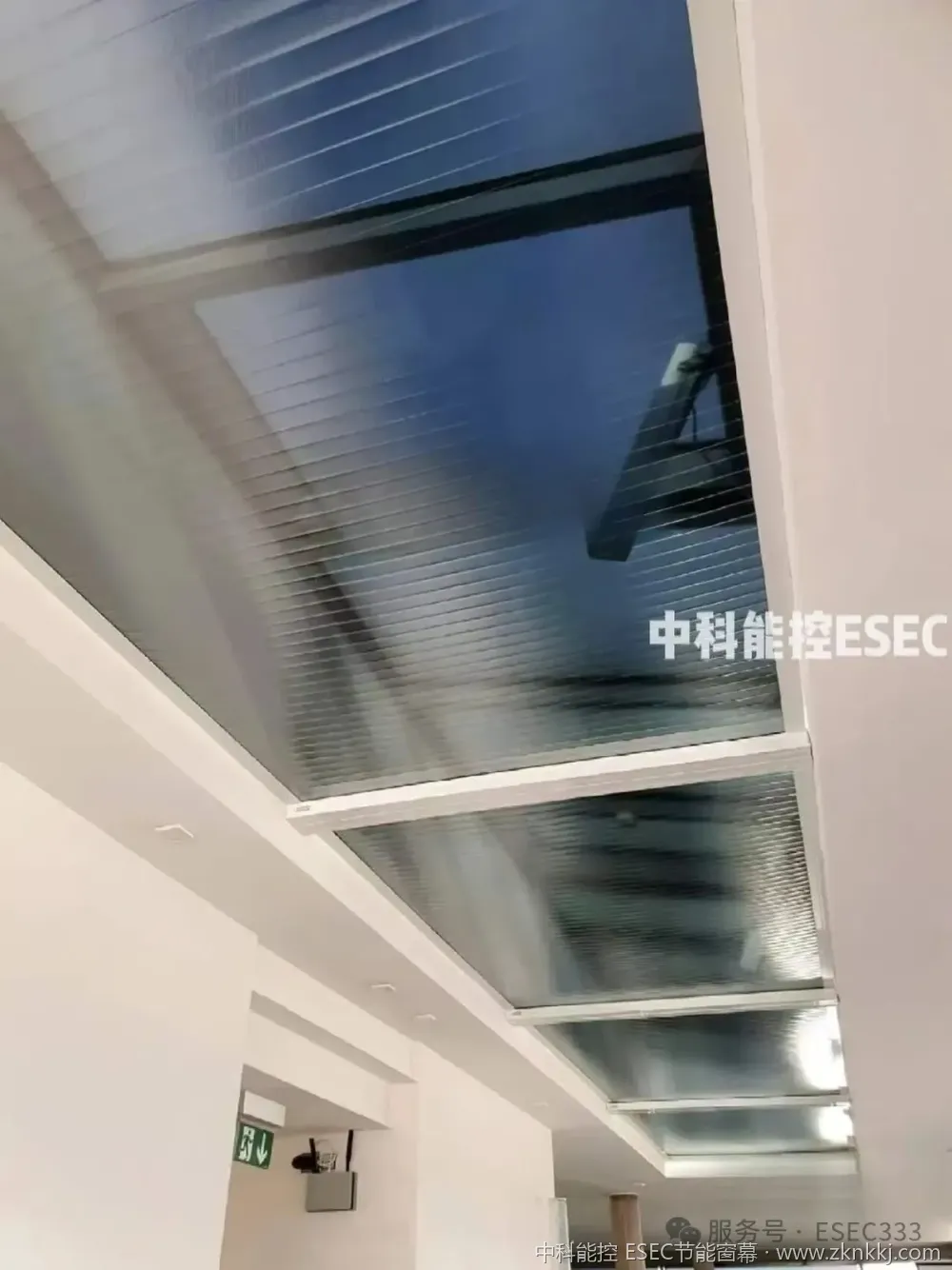
The overheating incident at Zhengzhou East Railway Station is a wake-up call for the building industry. In the past, designs pursued the look of glass single-mindedly while ignoring the hidden summer heat load, and only after operations began did high temperatures and soaring electricity bills erupt together, prompting costly air-conditioning retrofits—putting the cart before the horse. Property managers and engineering contractors now find themselves in a dilemma: they must meet zero-carbon building energy targets while avoiding any damage to the facade or any suspension of operations for construction. The retractable insulating window curtain resolves this conflict perfectly, so there is no need to choose between looks and comfort.
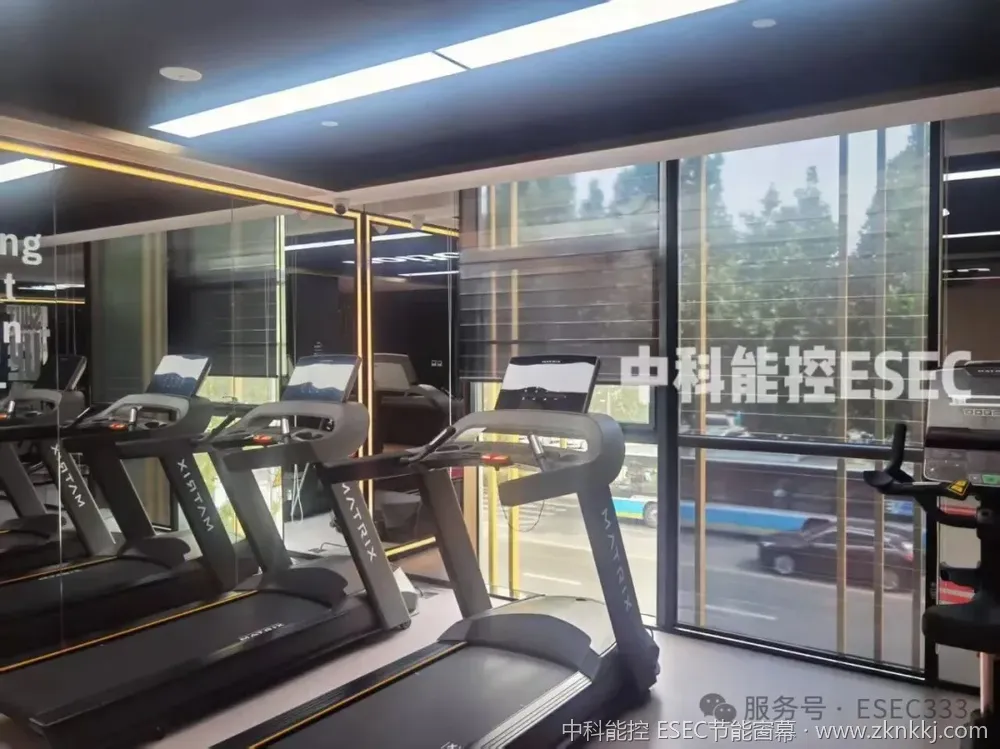
For existing transportation hubs, office buildings, and industrial parks, the lightweight smart window curtain is the preferred choice, solving the twin problems of high temperatures and high energy consumption in one step. Building designers, meanwhile, can incorporate a shading system in the early stages of new curtain-wall projects to avert the greenhouse effect at the source.
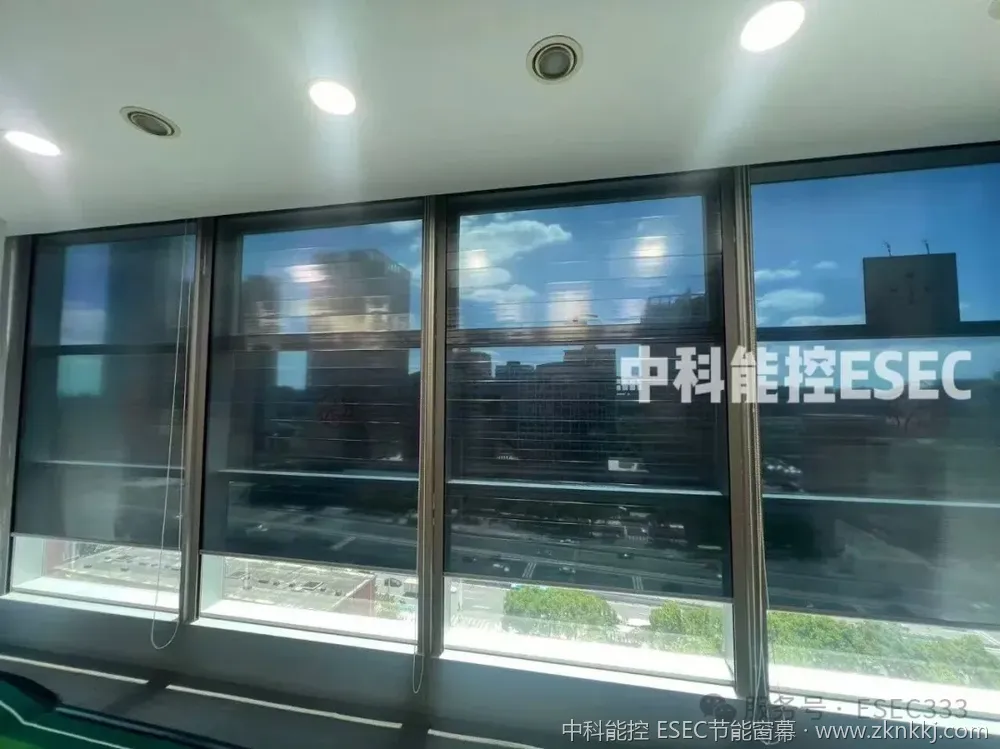
With extreme heat becoming the norm, building insulation is no longer a bonus feature but a rigid requirement. Only by abandoning the outdated approach of relying solely on air conditioning and adopting a lightweight insulation solution that controls heat at its source can glass curtain walls deliver beauty, coolness, and energy efficiency at the same time, achieving truly long-term low-carbon operation.