

The normalization of extreme heat has become a new feature of climate development. Many regions continue to be battered by heatwaves, summer air-conditioning electricity consumption keeps setting new records, and the pressure on the grid to guarantee supply keeps mounting. In an article published in Guangming Daily, researcher Chen Ying of the Chinese Academy of Social Sciences put forward an important argument: in responding to sustained high temperatures, the development approach should shift from expanding power supply at the “source end” to improving building energy efficiency at the “end-use” side, and building insulation should be a priority investment direction for urban heat-adaptation retrofits. Improving the thermal performance of the building envelope can directly cut peak air-conditioning cooling loads and carries major strategic value for the safe and stable operation of urban power grids.
For a long time, when confronted with scorching heat, urban governance has generally prioritized supply-side measures such as building more power plants and expanding the grid. But continuously scaling up power infrastructure requires enormous investment and long construction cycles, making it hard to match instantaneous cooling loads that climb year after year. By contrast, optimizing the building envelope and blocking solar radiant heat from entering interiors is a solution with a higher return on investment that can be deployed faster. Large glass curtain walls and exterior windows are the most important channels through which heat penetrates modern buildings: vast amounts of solar infrared radiation pass through the glass and flood indoors, forcing air conditioners to run under heavy load for long periods and creating electricity spikes. Once consecutive days of extreme heat hit, a concentrated surge in cooling demand can easily overload local power grids.
Drawing on its deep roots in the energy-saving sector for translucent building envelopes, ESEC has launched an intelligent one-way view-through energy-saving window curtain system that aligns precisely with the “end-use efficiency improvement” pathway proposed by experts, offering a mature and market-ready solution for building insulation and urban climate-adaptation development.
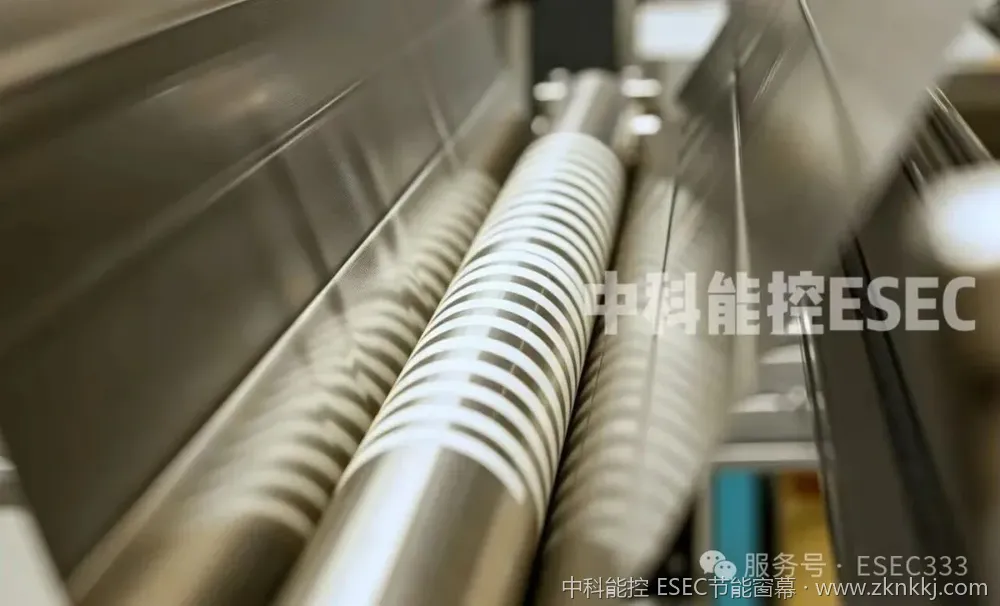
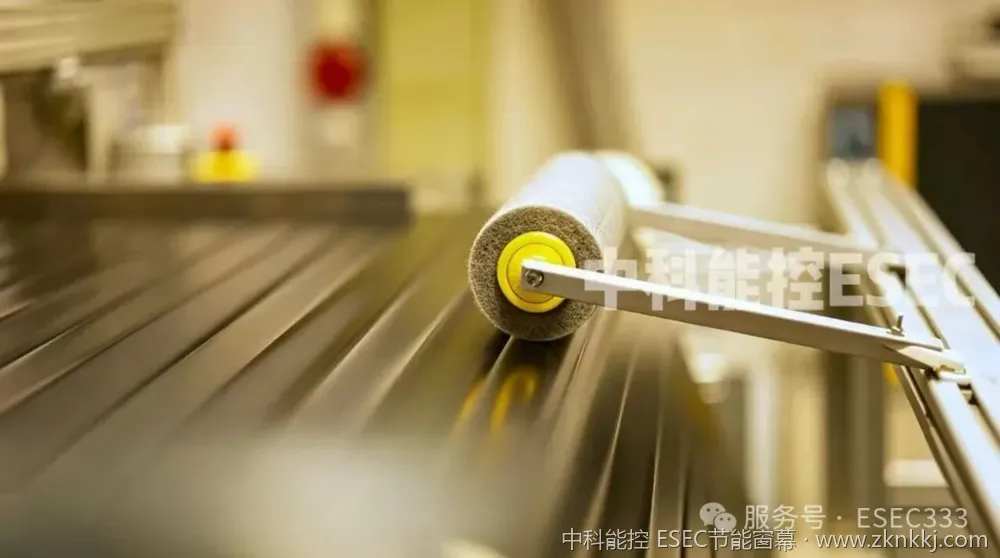
More than half of a building’s heating and cooling load comes from solar radiation passing through doors, windows and curtain walls. The ESEC intelligent window curtain is installed on the indoor side of the glass and uses nano-optical film to block infrared radiation efficiently, adjusting the thermal performance of a building’s transparent envelope and reducing heat entry at the source. It requires no modification of the existing curtain wall or window frame structure, making installation fast and convenient, and it suits every kind of building renewal project, from new buildings to existing commercial complexes, office towers and industrial parks.
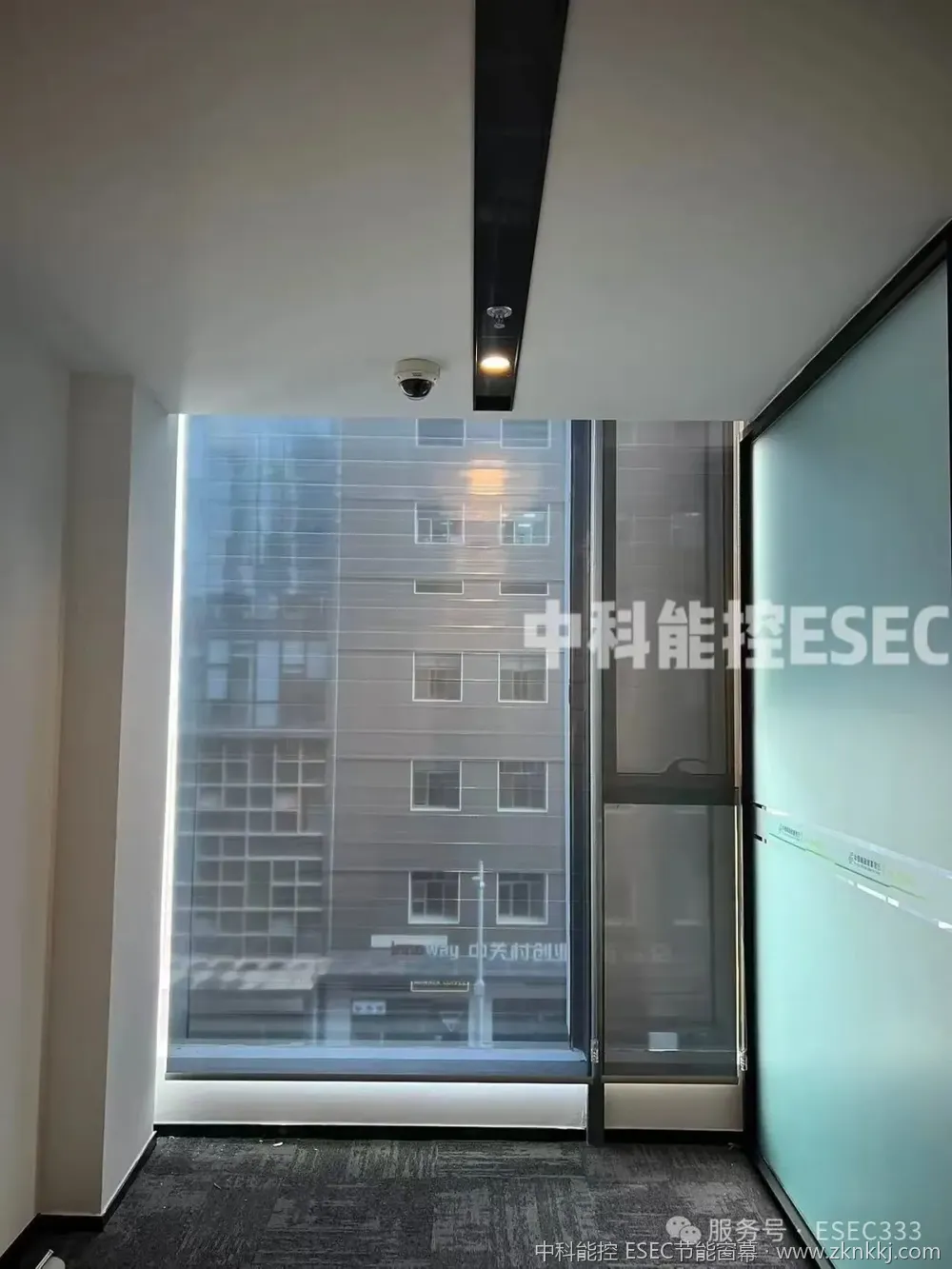
In terms of application value:
1. Shaving peaks and easing the load to safeguard regional grid security
By actively blocking radiant heat, it effectively reduces indoor heat gain and significantly lowers peak air-conditioning cooling loads. When adopted across a large number of buildings, it can smooth summer electricity peaks in cities, reduce power shortfalls during extreme heat and cut the enormous investment required to expand urban power supply facilities on a large scale, fully embodying the strategic approach of “prioritizing investment in building insulation.”
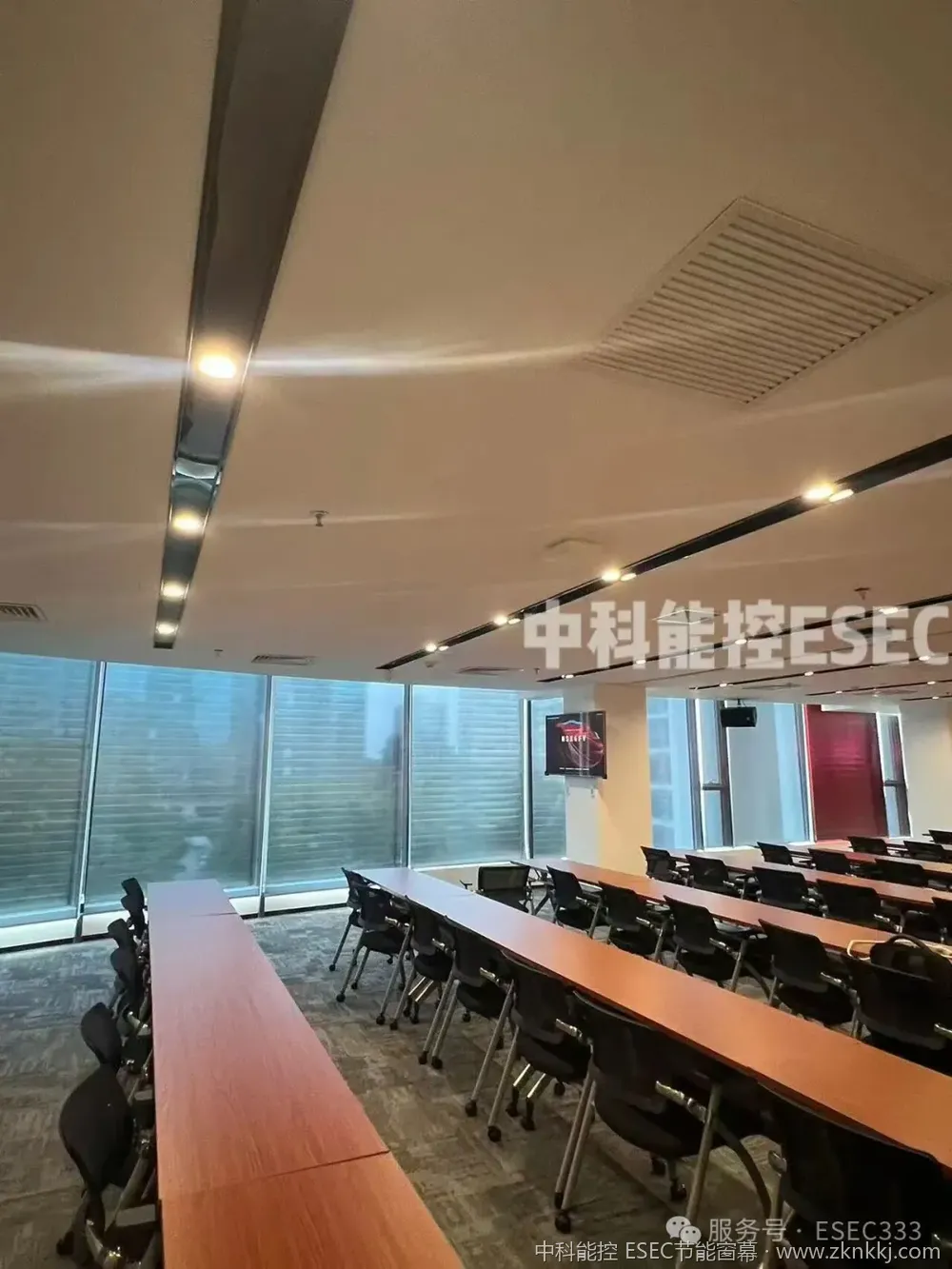
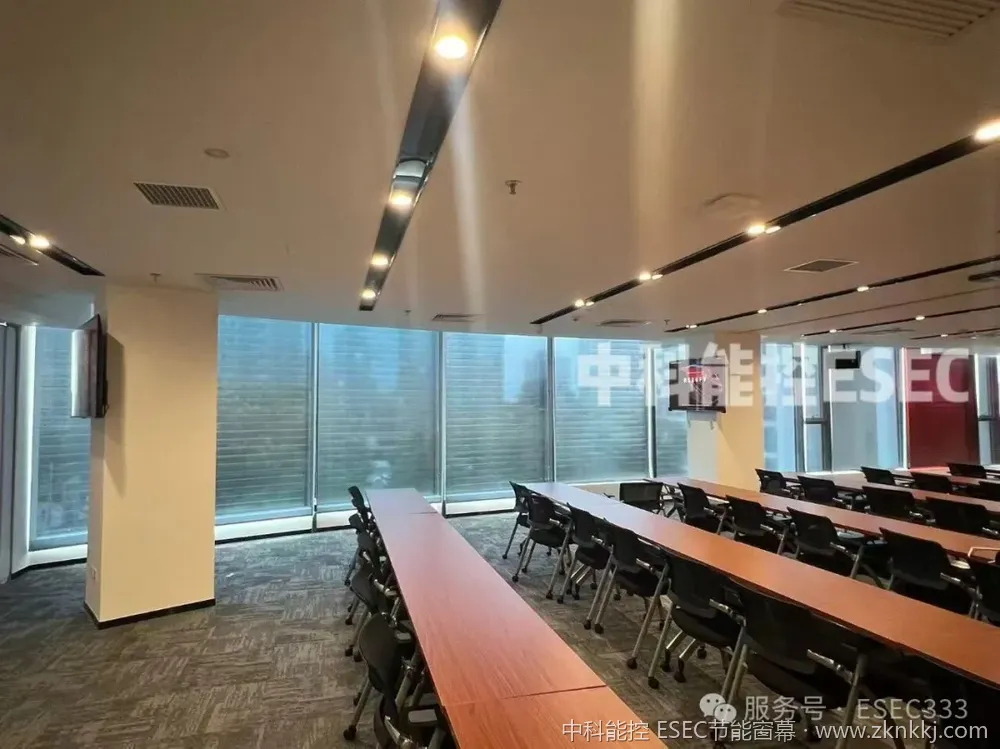
2. Outstanding economic benefits that replace heavy-asset investment
Compared with heavy-asset investments such as building new power grids or adding generating units, energy-saving retrofits of the building envelope cost less and offer a clear payback period. Buildings fitted with the ESEC energy-saving window curtain can significantly shorten air-conditioning operating hours, steadily cut electricity costs and reduce the concentrated heat discharged by outdoor AC units, easing the urban heat island effect and delivering multiple benefits in energy saving, carbon reduction and cooling.
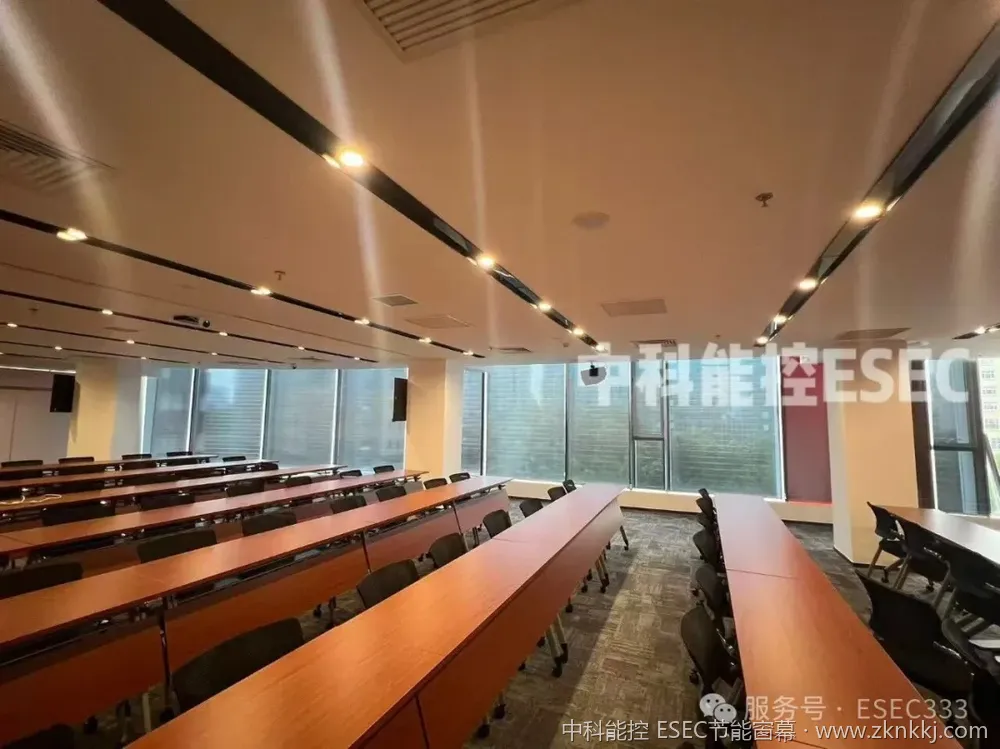
3. Balancing daylight comfort with passive cooling
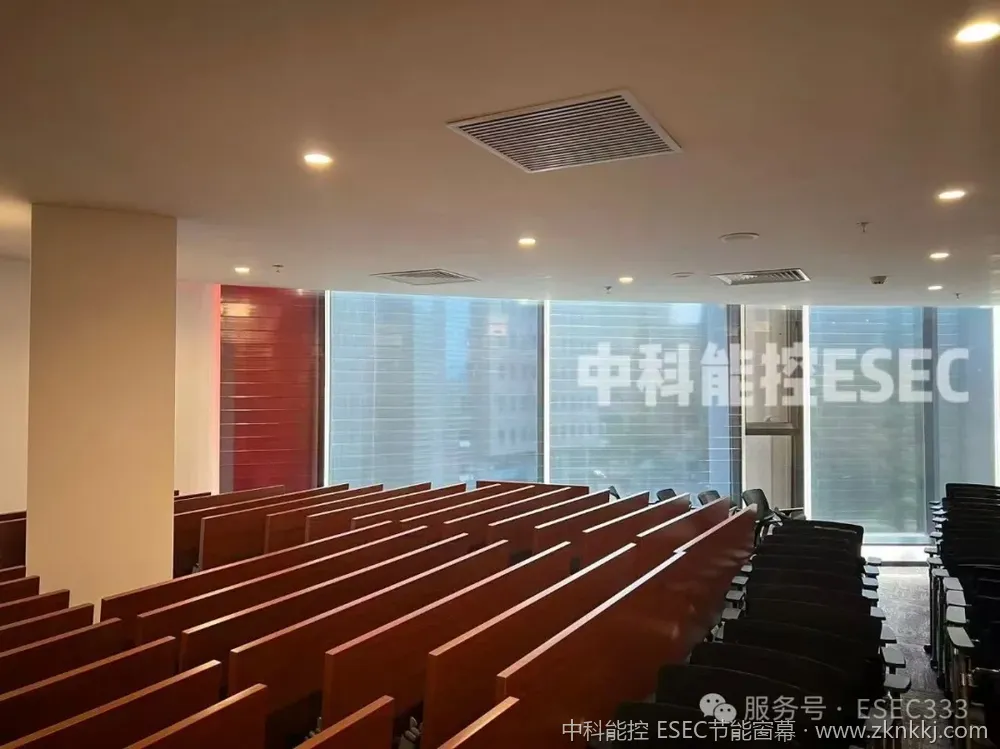
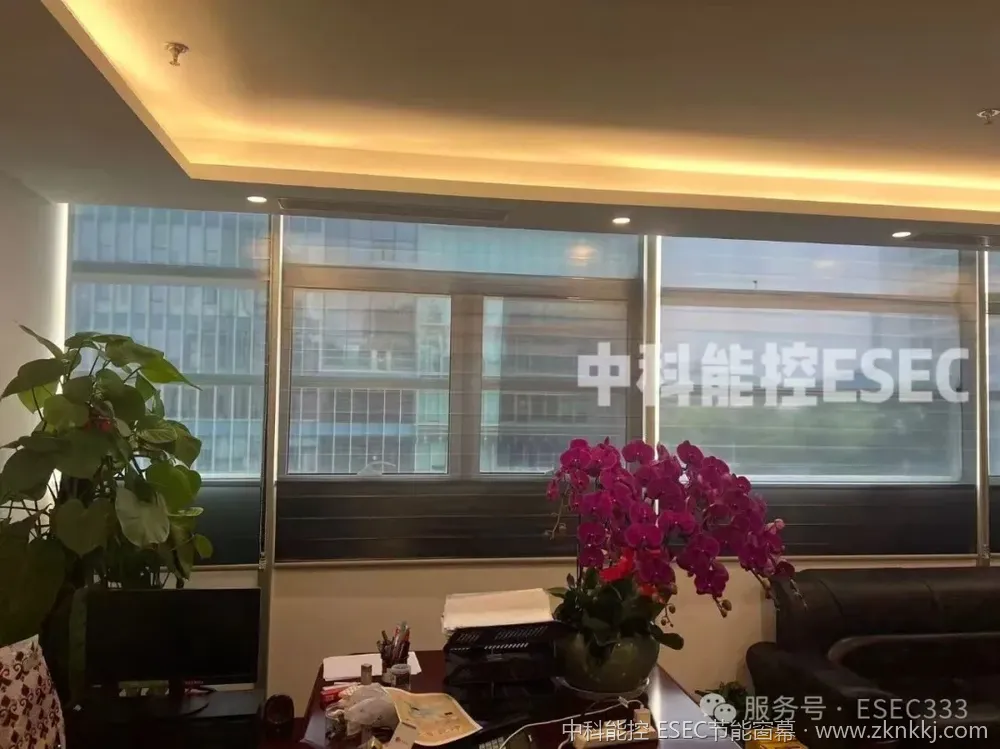
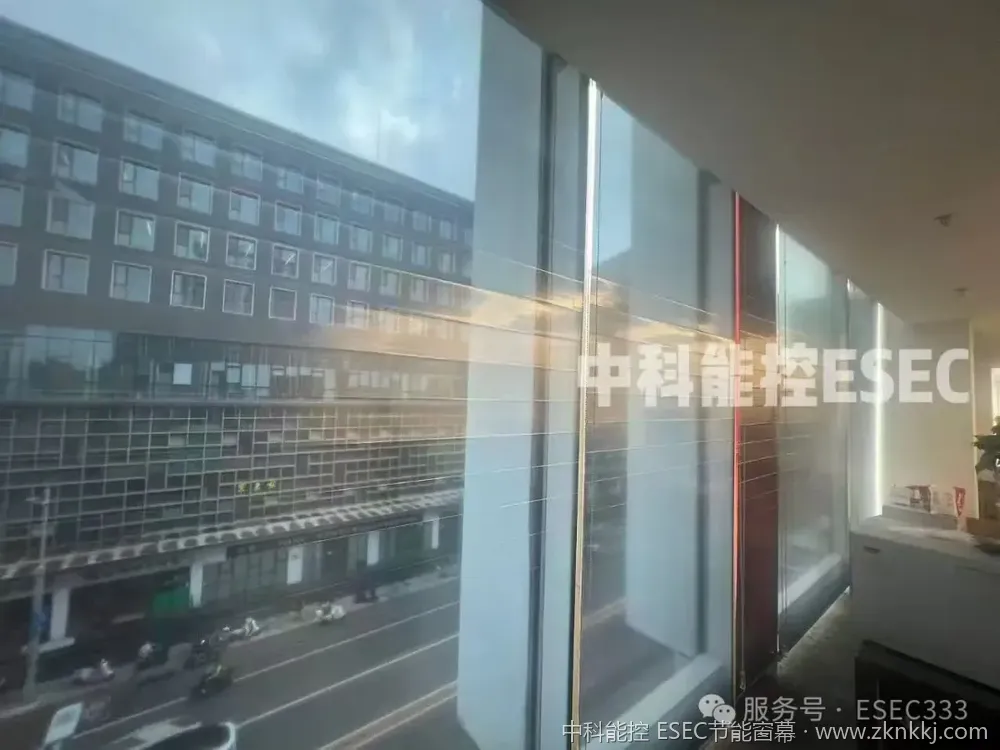
Traditional shading products often sacrifice natural daylight, whereas the ESEC one-way view-through energy-saving window curtain selectively blocks infrared heat while retaining natural visible light, meeting daylighting needs in workplaces. It can be adjusted according to sunlight intensity and the indoor-outdoor temperature difference to create climate-adaptive buildings, improve indoor thermal comfort in high temperatures and move buildings from “relying on active air-conditioning for cooling” to “passive insulation first.”
Urban thinking on climate response is now evolving. Treating building insulation as a priority in heat-adaptation investment and scaling up passive energy-saving technologies has become an industry consensus. Going forward, ESEC will keep iterating its intelligent window curtain energy-saving technology, focus on glass curtain walls as the key weak link in the building envelope, and continue promoting low-cost, easy-to-deploy building insulation solutions, helping cities build more resilient heat-response systems, supporting smooth grid operation through end-use efficiency upgrades and advancing green, low-carbon and sustainable urban development.