

In 2026, “good houses” were written into the Government Work Report for the first time, making the creation of safe, comfortable, green and smart living environments an explicitly deployed national priority. Against this backdrop, the long-overlooked “window” in the building envelope is becoming a key battleground for energy conservation and carbon reduction. As an innovative force in intelligent temperature control, the smart energy-saving window curtain launched by Zhongke Energy Consumption Control (ESEC) Technology Co., Ltd. (Beijing), with its core advantages of “blocking heat in summer, retaining warmth in winter and significantly cutting air-conditioning energy use,” is entering the public eye more and more.
I. Policies Roll Out in Quick Succession, Energy-Saving Windows and Doors Take Center Stage
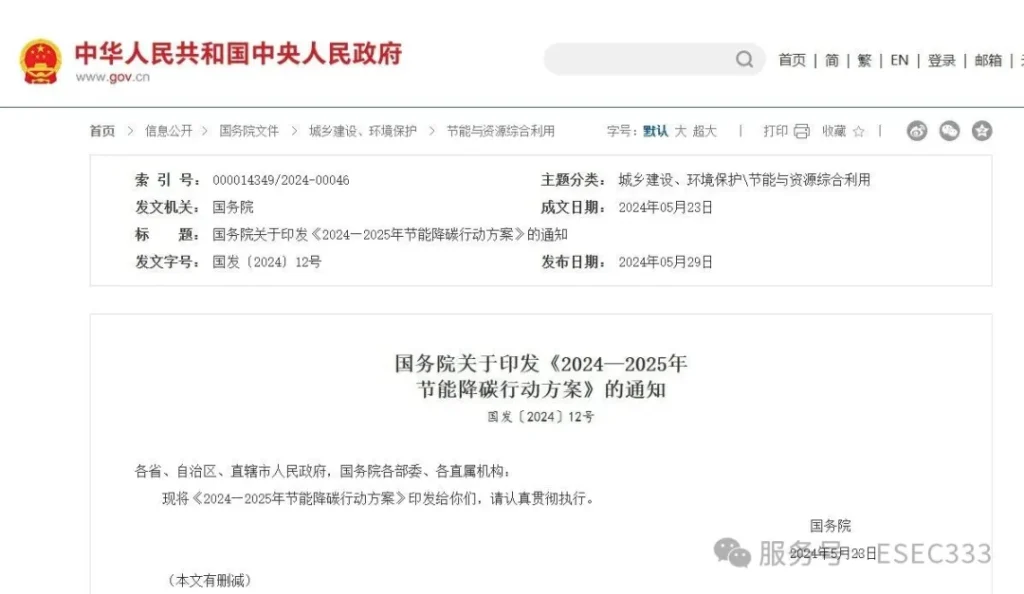
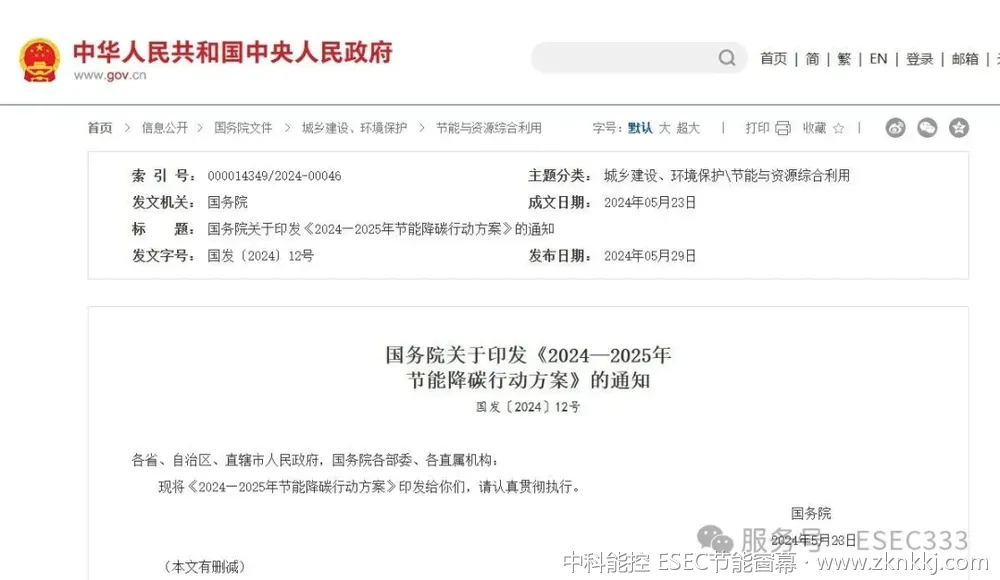
In recent years, national policy support for building energy efficiency has been unprecedented. In 2024, the State Council issued the 2024-2025 Energy Conservation and Carbon Reduction Action Plan, which explicitly called for “implementing an initiative to promote energy-saving windows and doors,” requiring that by the end of 2025 the floor area of existing buildings retrofitted for energy efficiency increase by more than 200 million m² compared with 2023, with the energy efficiency rate after retrofitting rising by 30% for residential buildings and 20% for public buildings. In the same year, the State Council’s Action Plan for Promoting Large-Scale Equipment Renewal and Trade-Ins of Consumer Goods further listed “exterior wall insulation, windows and doors, and heating devices” as priorities for energy-efficiency retrofits of existing buildings.
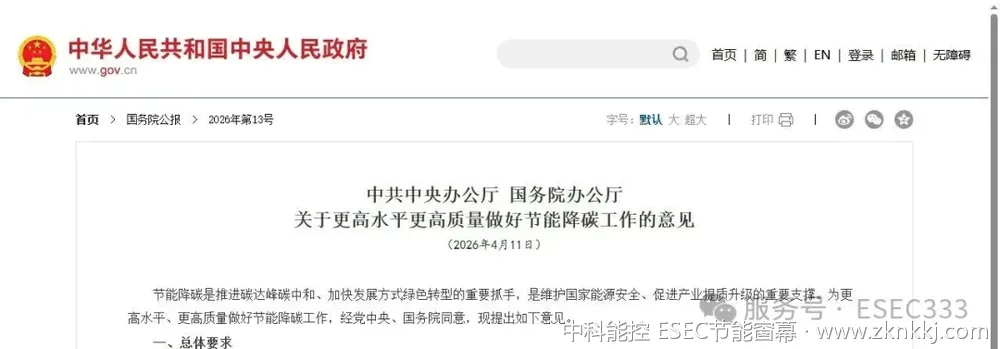
Entering 2026, policy support has been stepped up further. In April, the General Office of the CPC Central Committee and the General Office of the State Council issued the Opinions on Advancing Energy Conservation and Carbon Reduction at a Higher Level and with Higher Quality, proposing to “strictly manage the energy efficiency of new buildings, promote the large-scale development of ultra-low-energy buildings, and build safe, comfortable, green and smart ‘good houses.'” Meanwhile, the revised Green Building Materials Assessment: Building Windows, Doors and Accessories standard (T/CECS 10026-2025) took effect on February 1, 2026, providing a clearer technical basis for the certification and application of energy-saving window and door products.
Driven by both the dual carbon strategy and the “good houses” initiative, energy efficiency in windows and doors has shifted from a “nice-to-have” to a “hard requirement.” ESEC’s smart energy-saving window curtain has arrived at exactly the right moment, keeping pace with the policy rhythm.
II. Hardcore Technology: The Energy-Saving Code Behind a Single Window Curtain
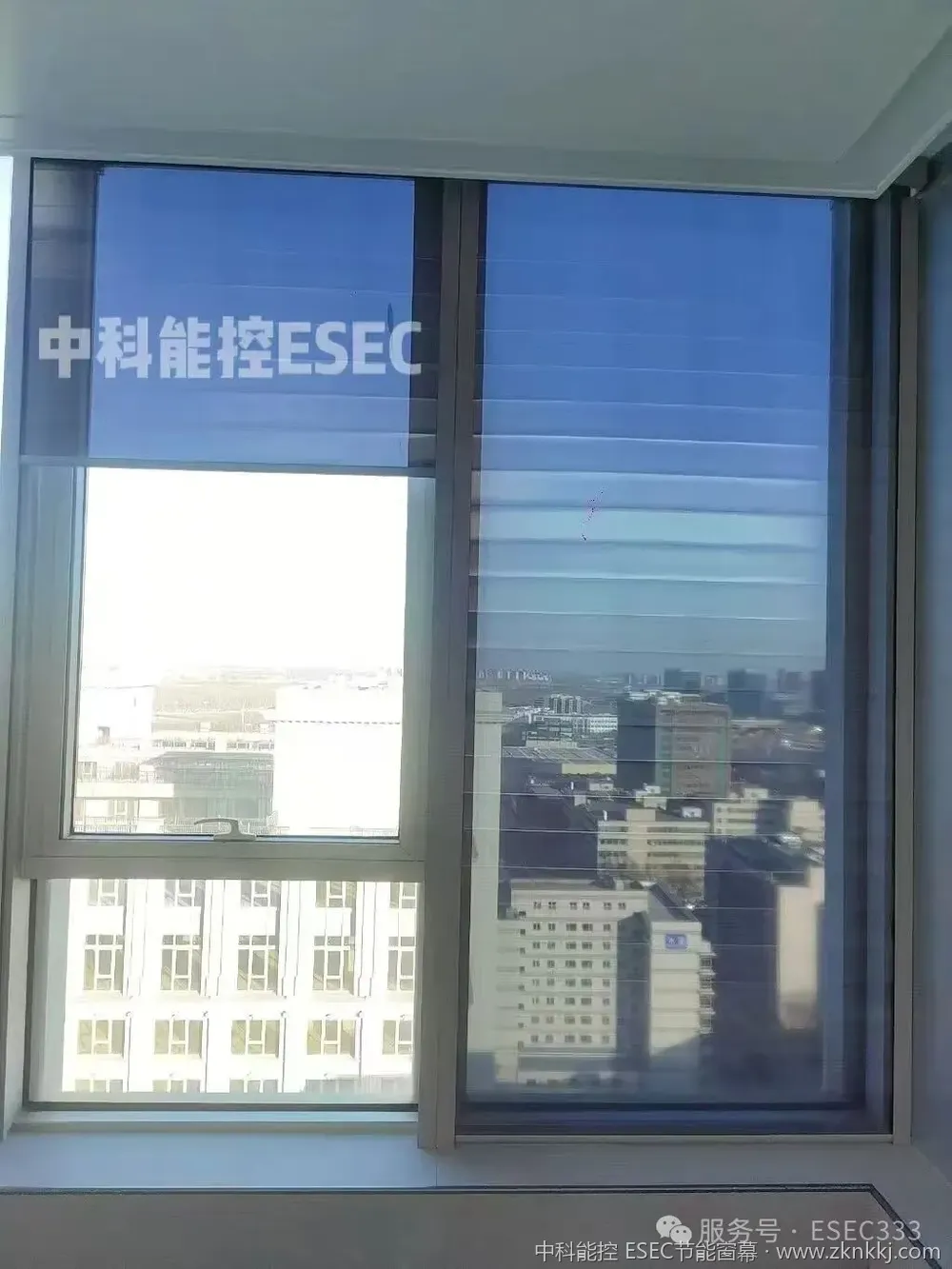
The core technical approach of ESEC’s smart energy-saving window curtain aligns closely with the “sealed composite polyester see-through interior shading window curtain” included in the Guide to Selecting Good Materials for “Good House” Construction issued by the Science and Technology and Industrialization Development Center of the Ministry of Housing and Urban-Rural Development. Products of this type use high-reflectance composite nano-film materials that, while ensuring visible-light transparency, efficiently reflect infrared and ultraviolet rays and block thermal radiation. Installed indoors, the curtain’s degree of opening and closing can be freely adjusted according to sunlight intensity and ambient temperature, enabling a precise temperature-control strategy: “open by day in summer to block radiation and closed at night to promote heat dissipation; closed by day in winter to capture heat and open at night to prevent its escape.”
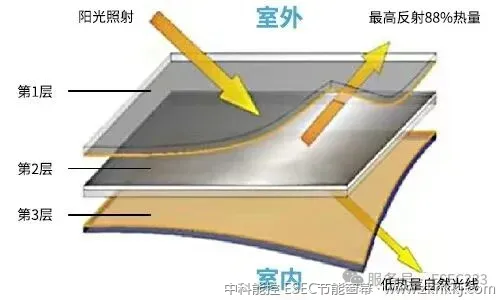
According to authoritative statistics, using the energy-saving window curtain during the daytime in summer can reduce indoor solar heat gain by 40%-50% and lower room temperature by 3-5 °C, effectively easing the cooling load of air conditioners; at night in winter it can reduce indoor heat loss by 20%-30% and raise room temperature by 1-3 °C, cutting heating energy consumption. Together with the outer window, the curtain forms a relatively sealed cavity that greatly reduces heat conduction efficiency, achieving a dynamic balance between daylighting and insulation while ensuring ample natural light.
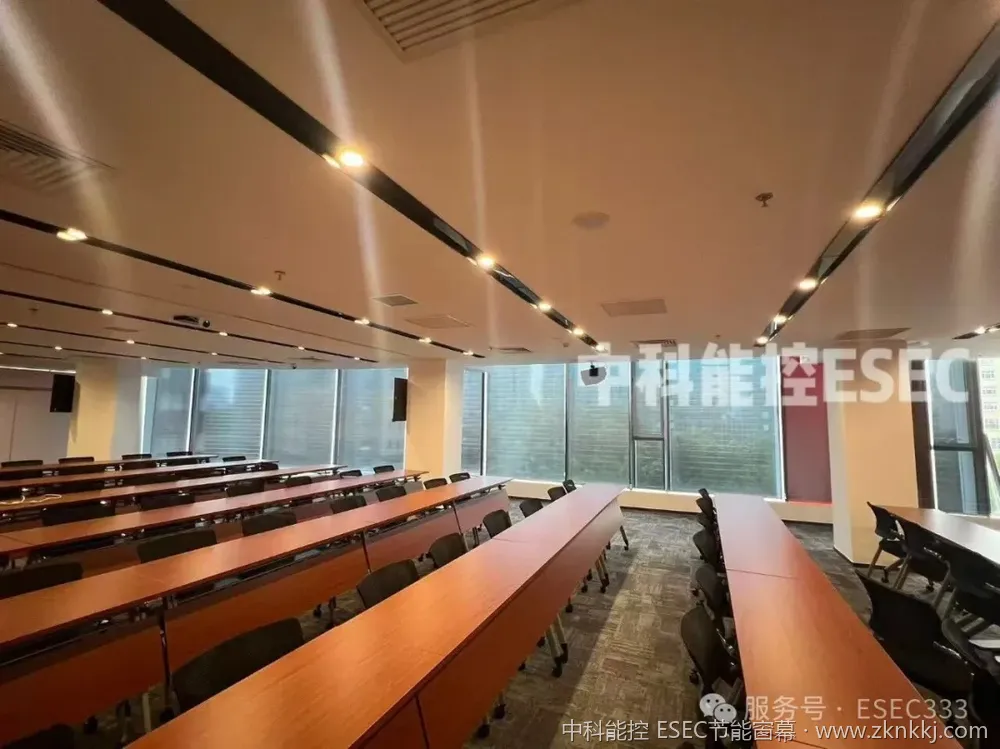
ESEC places emphasis on intelligent and scenario-based adaptation in product development. Its window curtain can be flexibly installed on the inner side of light-transmitting envelope structures in all kinds of buildings, and is particularly suited to regions where sunlight and temperature fluctuate sharply, covering applications from residential and office to public buildings.
III. Public Response: A Real Shift from “Curiosity” to “Can’t Live Without It”
On the consumer side, energy-saving window curtains are undergoing a leap in market perception, from “unfamiliar” to “sought after.” Many users report that after installing an energy-saving window curtain, summer air-conditioning hours are markedly shorter and electricity bills have fallen noticeably. A resident living outside Beijing’s Fifth Ring Road shared that after switching to an energy-saving window system, solar heat radiation indoors decreased, room temperature stabilized at around 26 °C, the air conditioner ran two hours less each day, and the monthly electricity bill dropped by several hundred yuan. Another user said on social media: “In summer the sunroom is no longer like a steamer — this investment was worth it.”
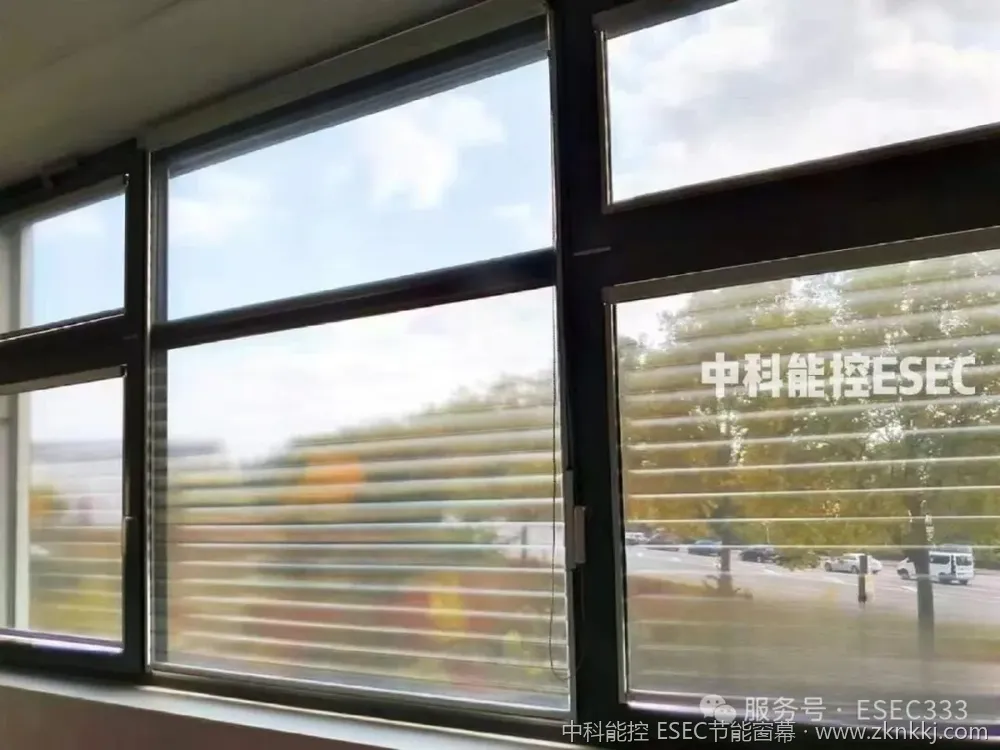
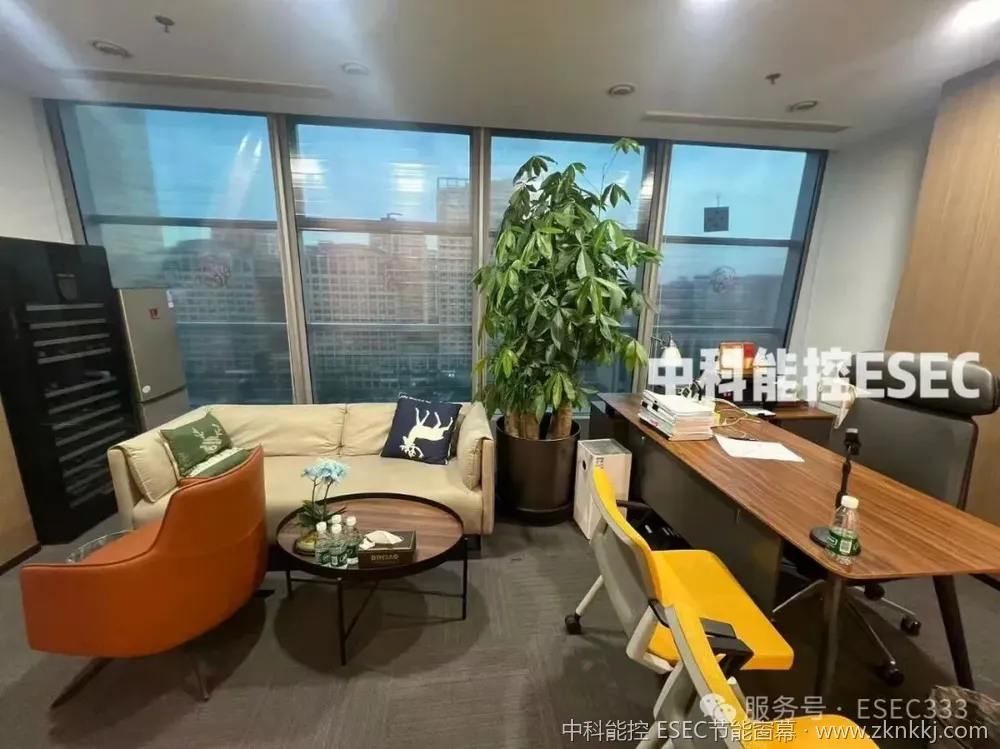
It is worth noting that energy-saving window curtains do not win consumers over on “energy savings” alone. In real-world experience, their insulation performance, UV protection and improvement of the indoor light environment are equally frequently cited by users as sources of satisfaction. Industry insiders point out that as public environmental awareness grows and expectations for living quality rise, consumers’ attention to energy-saving building materials has expanded from the single dimension of “saving electricity” to a comprehensive assessment of comfort and health.
IV. Outlook: A Collaborative Ecosystem Drives the Industry’s Future
ESEC’s energy-saving window curtain does not exist in isolation. At a recent private gathering on industry collaboration, ESEC discussed the potential for cross-product synergies with several technology companies, including Qingda Youyang and Kaida New Materials — the stable room temperature delivered by ESEC’s insulating window curtain can extend the persistence of negative oxygen ion activity; Qingda Youyang provides continuous generation of negative oxygen ions; and diatom panels adsorb formaldehyde while negative oxygen ions decompose it, forming a “capture-and-decompose” closed loop. This “technology ecosystem” mindset is becoming a typical example of the building energy-efficiency field moving from “single-point breakthroughs” to “systematic campaigns.”
Looking ahead, as the dual carbon goals continue to advance and ultra-low-energy buildings develop at scale, the energy-saving window curtain market is expected to enter a period of rapid growth. If ESEC can keep pressing ahead on product standardization, cost control and channel development, its energy-saving window curtain has the potential to become an indispensable link in the green building industry chain.
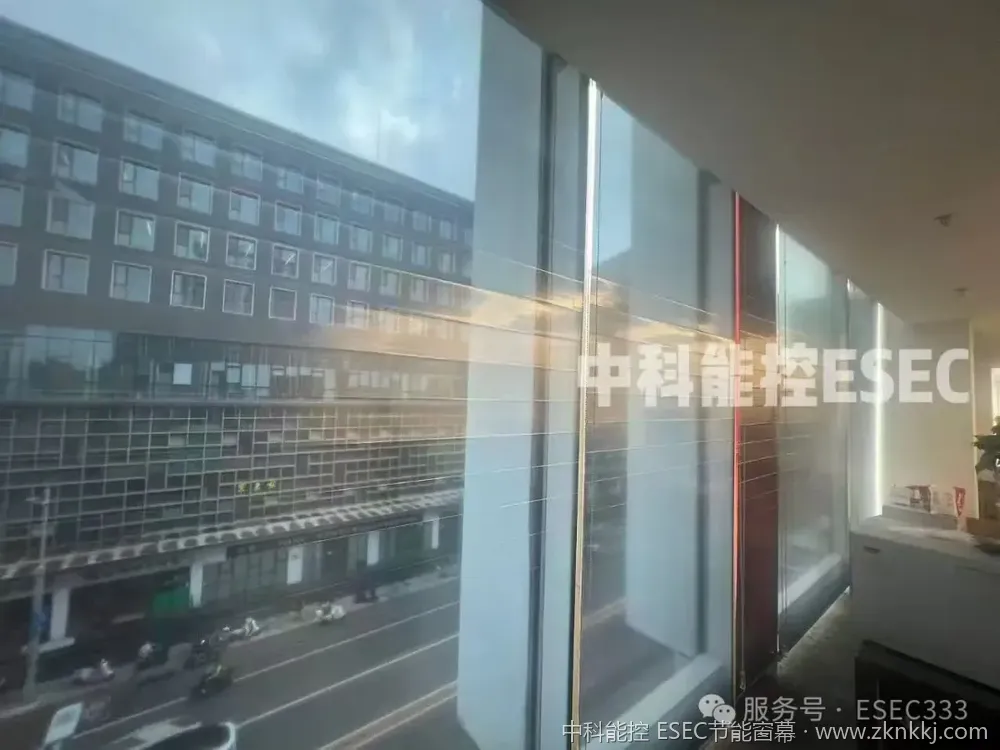
A small window curtain reflects the convergence of the national energy-saving strategy and people’s aspirations for a better life. When policy tailwinds, hard technical strength and genuine market demand resonate together, the story of ESEC’s energy-saving window curtain has only just begun.