

Zhongke Energy Consumption Control (Beijing) Technology Co., Ltd. (ESEC) has officially launched its “Building Door, Window & Curtain-Wall Energy-Saving Calculator” WeChat mini program. Now live on the WeChat platform, it is free for the door-window and curtain-wall industry and related users. Doors and windows are the most thermally active parts of a building envelope, and their thermal performance directly affects a building’s operating energy consumption. Carbon peaking in urban and rural construction is one of the key tasks set out in the national “Action Plan for Carbon Peaking Before 2030”, and raising the energy efficiency of the building envelope is an essential step toward that goal. For years, thermal performance calculations for windows and curtain walls have relied on looking up standard tables, manual modelling or rough estimates — slow, and demanding specialist knowledge. During project negotiations, scheme comparisons and retrofit assessments, practitioners often struggle to produce quantified energy-saving figures on the spot. According to the company, the calculator pre-loads the thermal algorithms from current standards together with climate parameters for regions across the country. Users simply pick their city and enter the window parameters to get results, usually within 30 seconds.
Key Features
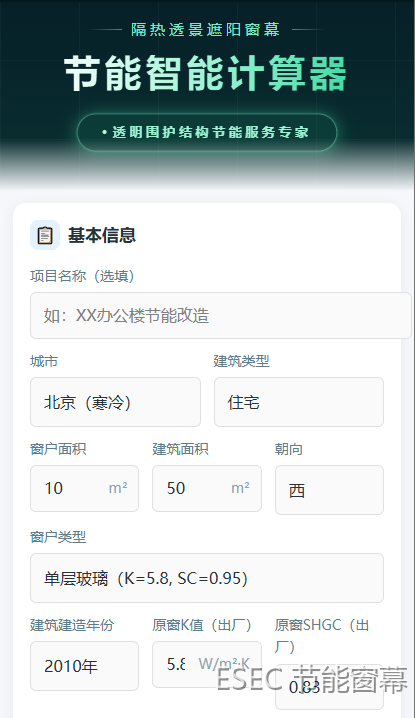
1. Thermal parameter calculation. Enter the frame material, glazing configuration, orientation, area and other parameters; the system automatically outputs the U-value (K), the solar heat gain coefficient (SHGC) and other indicators.
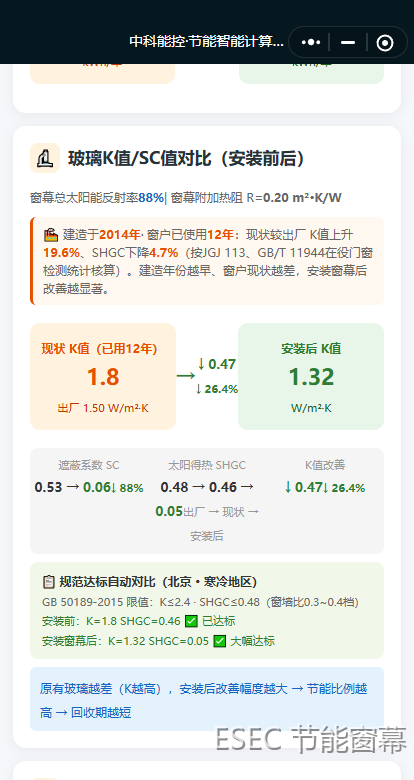
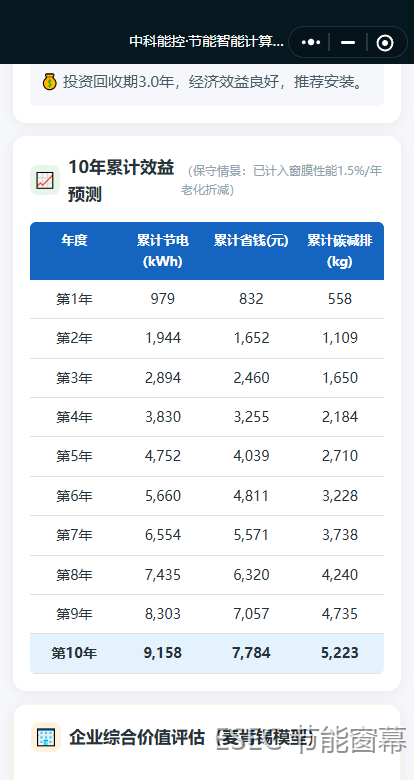
2. Energy and cost estimation. Based on climate data for the project location, it estimates heat gain and heat loss during the heating and cooling seasons respectively, and converts them into annual energy consumption and electricity cost, so that the energy-saving effect can be quantified.
3. Smart recommendations. The system analyses each user’s actual situation and provides the energy-saving rate and the investment payback period, supporting scheme decisions.
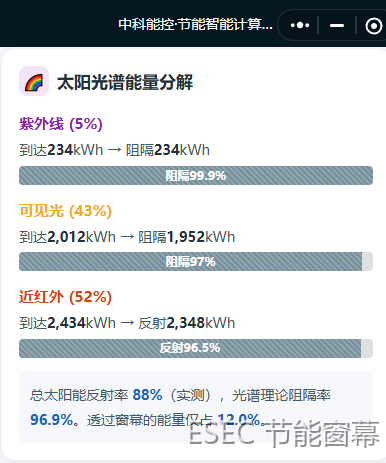
How to Use. The tool works in three steps.
Step 1: choose your city; building type and other parameters are matched automatically by the backend.
Step 2: enter the window details — frame type, glazing configuration, window area, floor area and orientation.
Step 3: view the results — K-value, heat gain and loss, annual energy consumption, electricity cost, energy-saving rate and payback period.
Who It Serves. The tool targets four scenarios: owners estimating the investment before a home improvement or retrofit decision; door-window and curtain-wall companies and distributors communicating technical schemes and preparing quotations; design and supervision firms comparing technical schemes; and property-service or existing-building retrofit companies assessing energy-saving potential at the project-initiation stage.
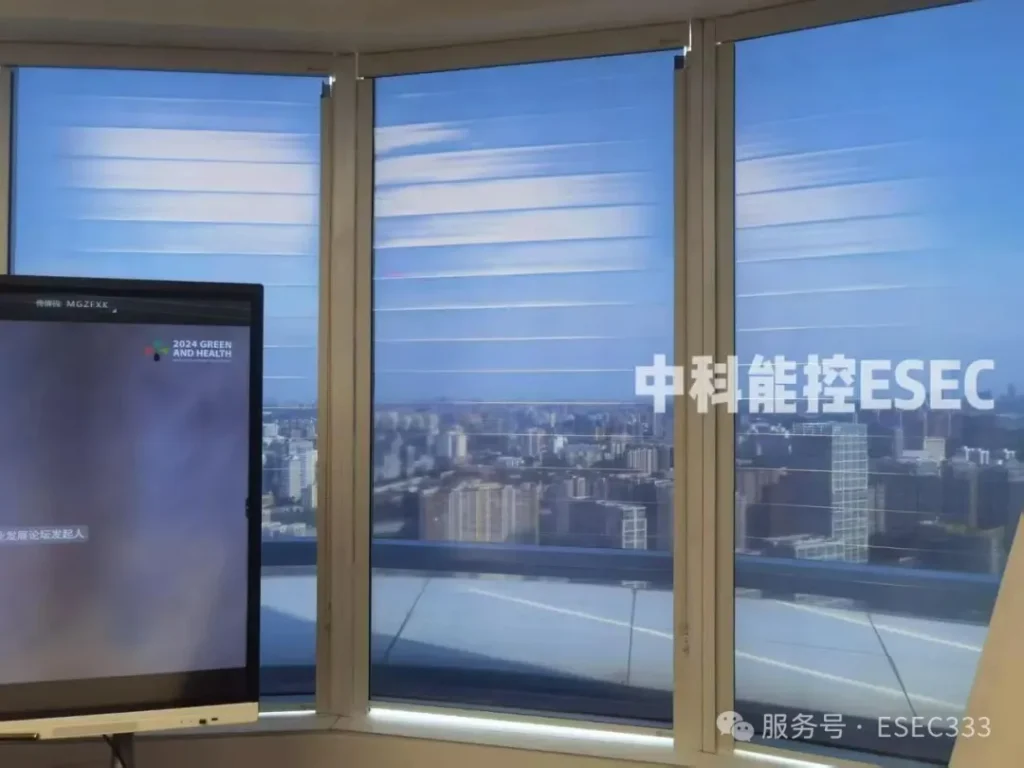
About ESEC. Zhongke Energy Consumption Control (Beijing) Technology Co., Ltd. (ESEC) specialises in improving the performance of existing curtain walls and windows to cut energy use and carbon emissions. Its self-developed one-way view-through energy-saving window curtain uses “ESEC nano radiation shielding technology” to reflect 88% of solar radiant heat while maintaining a 78% visible-light transmittance, delivering whole-building energy savings of 30% to 50% a year. It has been named a “Demonstration Product for Energy Saving and Carbon Reduction” by the China Association of Electronics Energy Saving Technology.
The company says that opening up the calculation models accumulated through years of engineering practice — free of charge — aims to provide a common technical reference for energy-saving selection of doors, windows and curtain walls, moving the industry from experience-based judgement to data-backed decisions.
How to Get It. Search for the mini program by its Chinese name, 中科能控建筑门窗幕墙节能计算器, at the top of WeChat to use the tool.
Note: results from the tool are estimates under typical conditions, intended for early-stage evaluation and scheme comparison. The actual energy performance of a specific project should be based on on-site survey data and third-party test reports.