
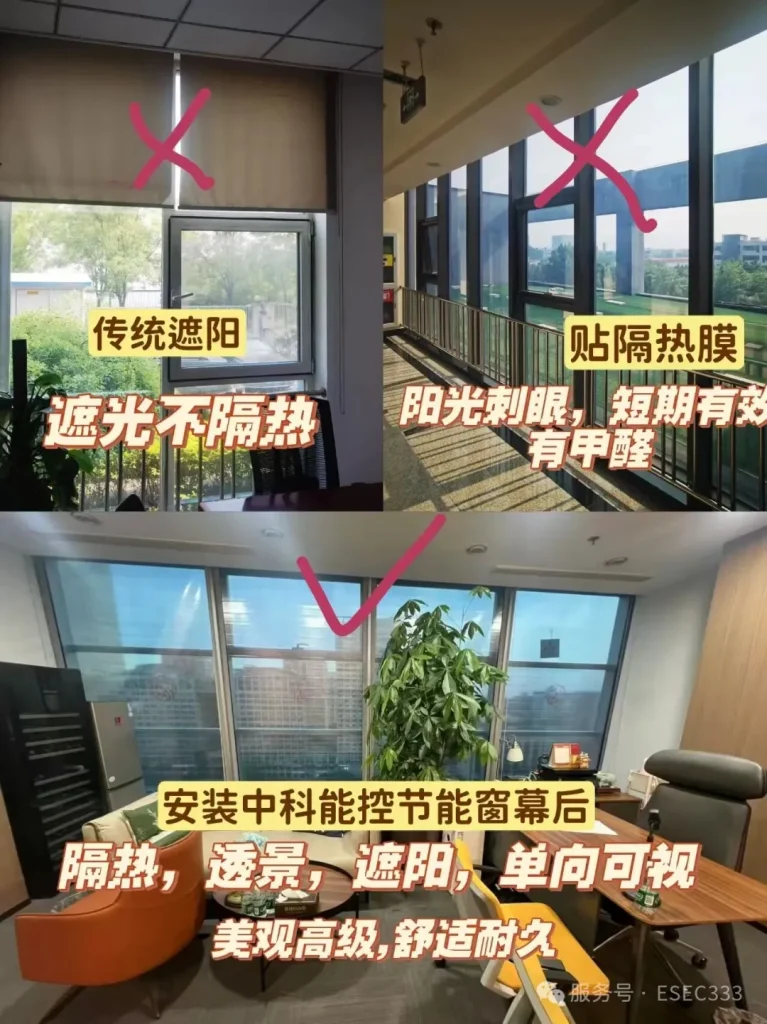
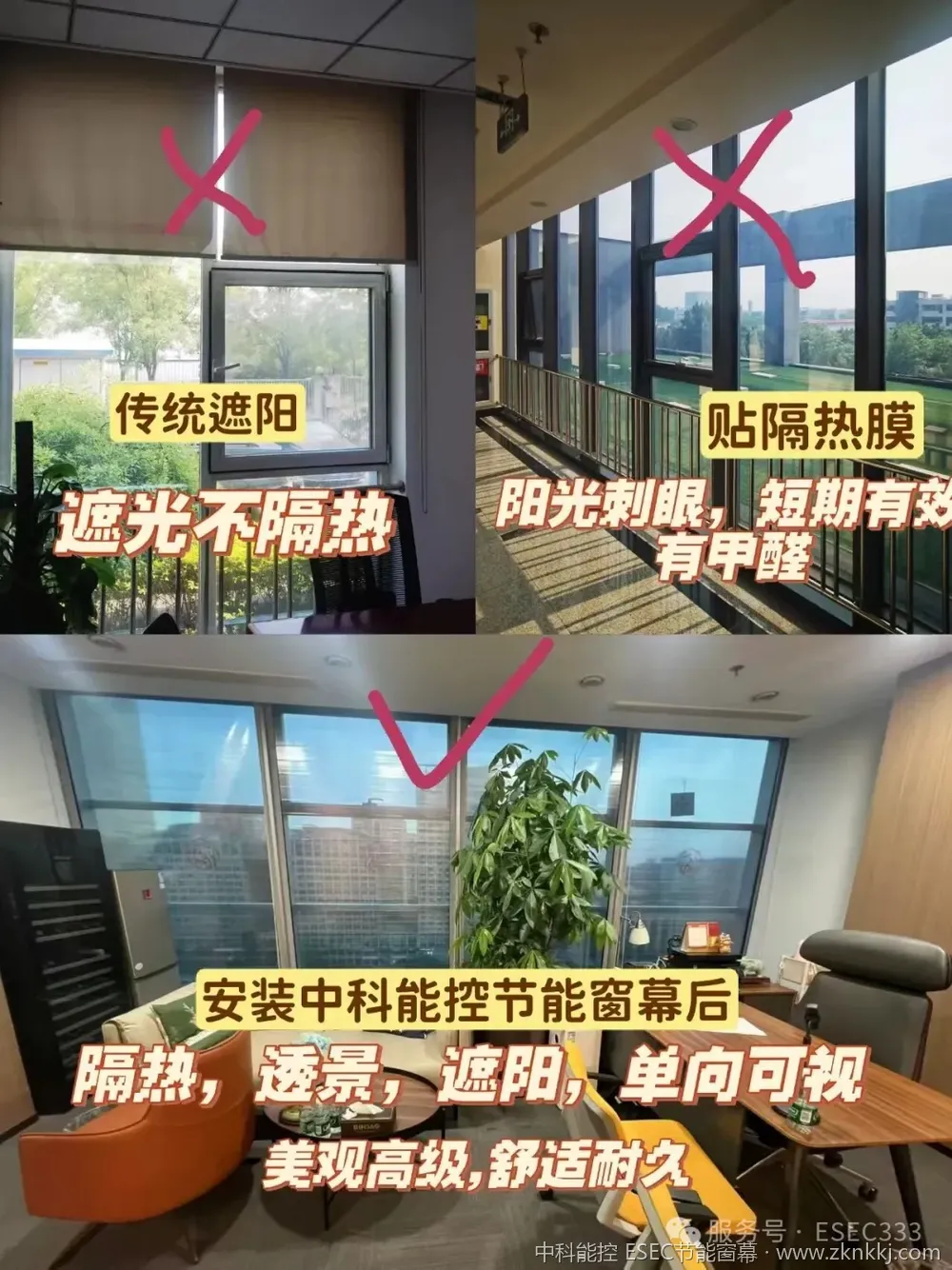
If you are torn between an ESEC window curtain and ordinary glass solar film, you are probably looking for a window insulation solution that delivers strong heat rejection, looks good, and does not spoil your interior design. The essential difference between the two is clear at a glance: the window curtain blocks heat through physical reflection, while ordinary solar film relies on chemical absorption — two completely different approaches to insulation.
I. The Essential Difference in Core Principles
ESEC Window Curtain
It is an integrated roller-blind system on the inner side of the window. Relying on a high-reflectance specialty fabric, it reflects solar heat radiation straight back like a mirror, cutting off the channel through which heat enters the home at the source. Its core principle is pure reflective insulation: it stores no heat and absorbs none.
Traditional Glass Solar Film
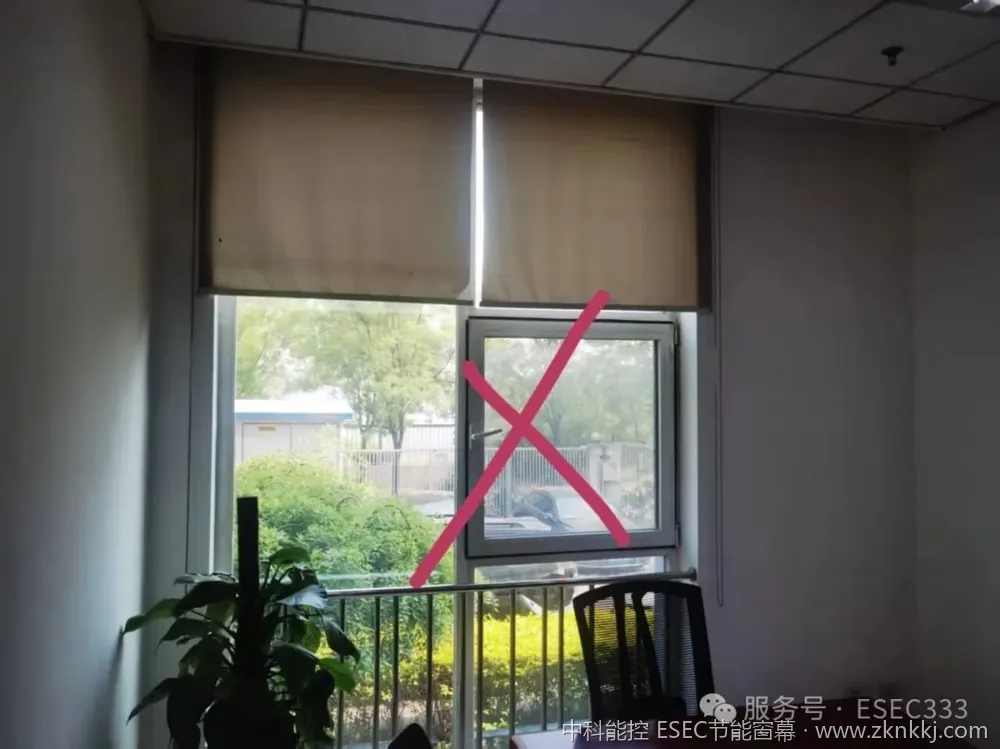
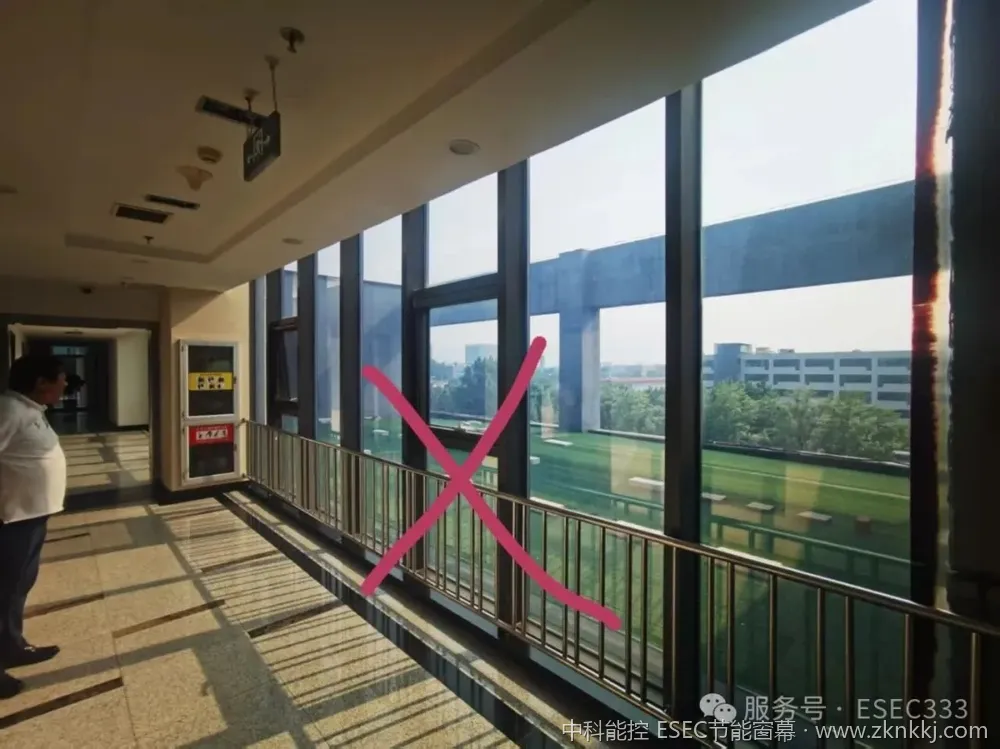
Applied directly to the glass surface, it insulates through a combination of absorption and reflection. After absorbing a large amount of heat, the film leaves the glass persistently hot to the touch, and heat still slowly penetrates the glass into the room, resulting in obvious losses in insulation performance.
II. A Straightforward Multi-Dimensional Comparison
Comparison at a Glance: ESEC Window Curtain vs. Traditional Ordinary Solar Film
Insulation principle:
The ESEC window curtain actively reflects heat, with no heat accumulation
Traditional solar film absorbs plus passively reflects, and the glass easily traps heat and becomes hot
Daylighting and views:
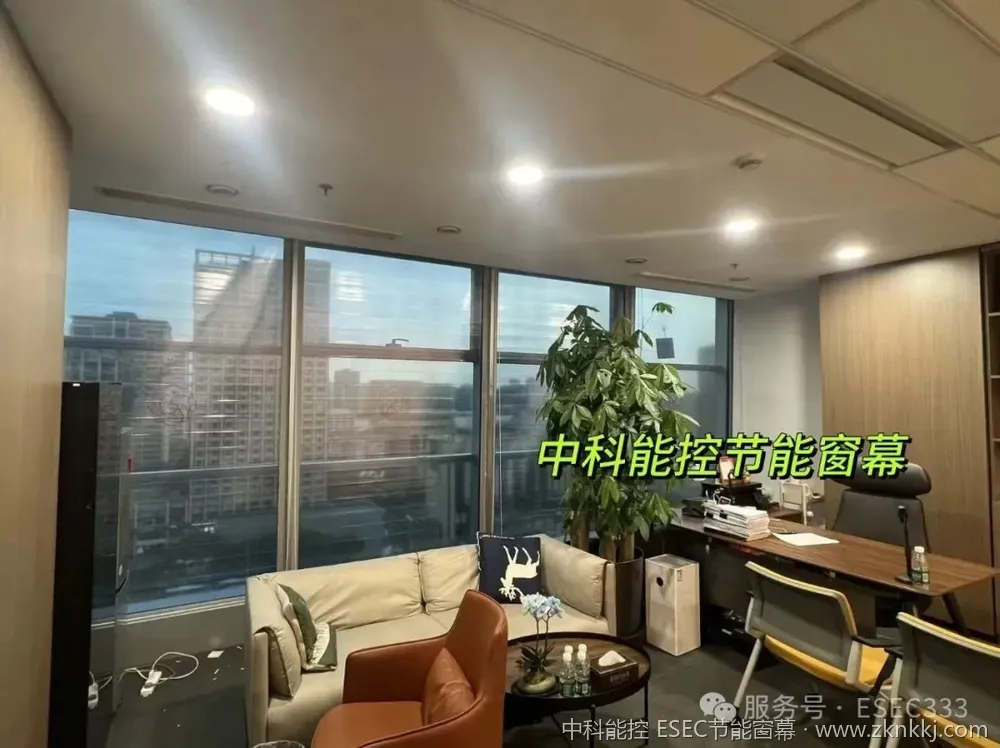
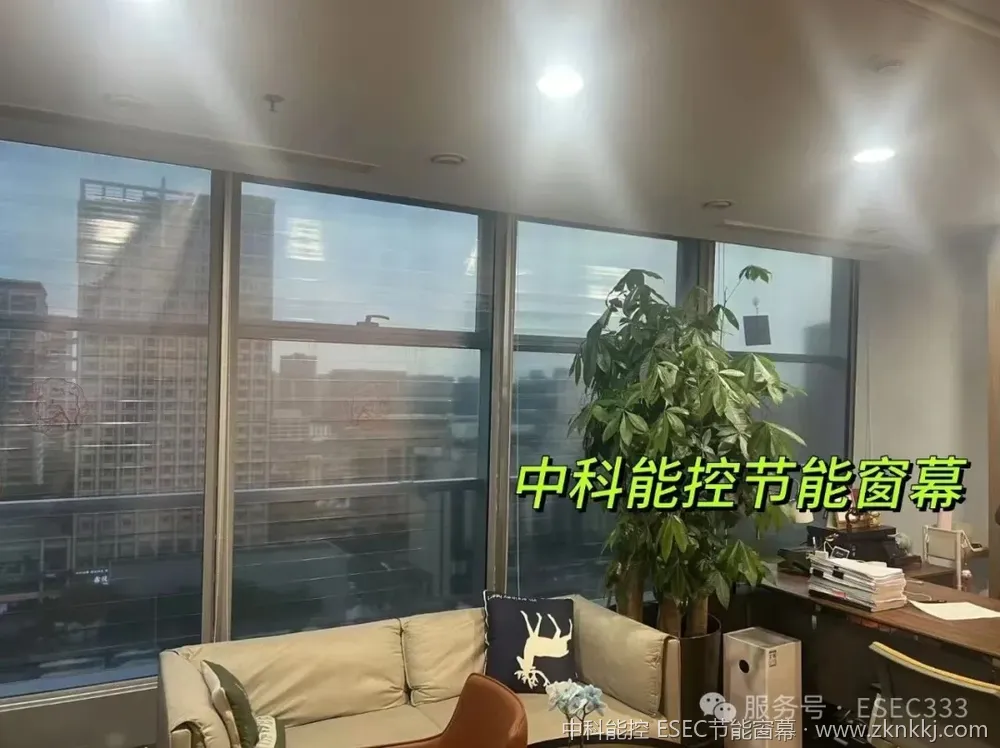
The ESEC window curtain is highly transparent without blocking outside views and effectively prevents harsh glare
Some traditional solar film styles block the view, and high-reflection films easily produce mirror-like glare
Service life:
The ESEC window curtain is durable and resistant to aging, with a normal service life of 10-15 years
Traditional solar film has a shorter lifespan and easily bubbles, fades and delaminates over long-term use
Installation and maintenance:
The ESEC window curtain is installed recessed into the window frame without damaging the existing decor, and routine wiping and cleaning are simple
Traditional solar film is applied directly onto the glass, requires careful maintenance and easily damages the film surface
Practical functions:
The ESEC window curtain offers one-way visibility to protect privacy and supports smart electric control
Traditional solar film provides only basic explosion protection, with limited functionality
III. Why the Window Curtain Is the Preferred Insulation Upgrade
1. Insulation that genuinely works, for year-round comfort
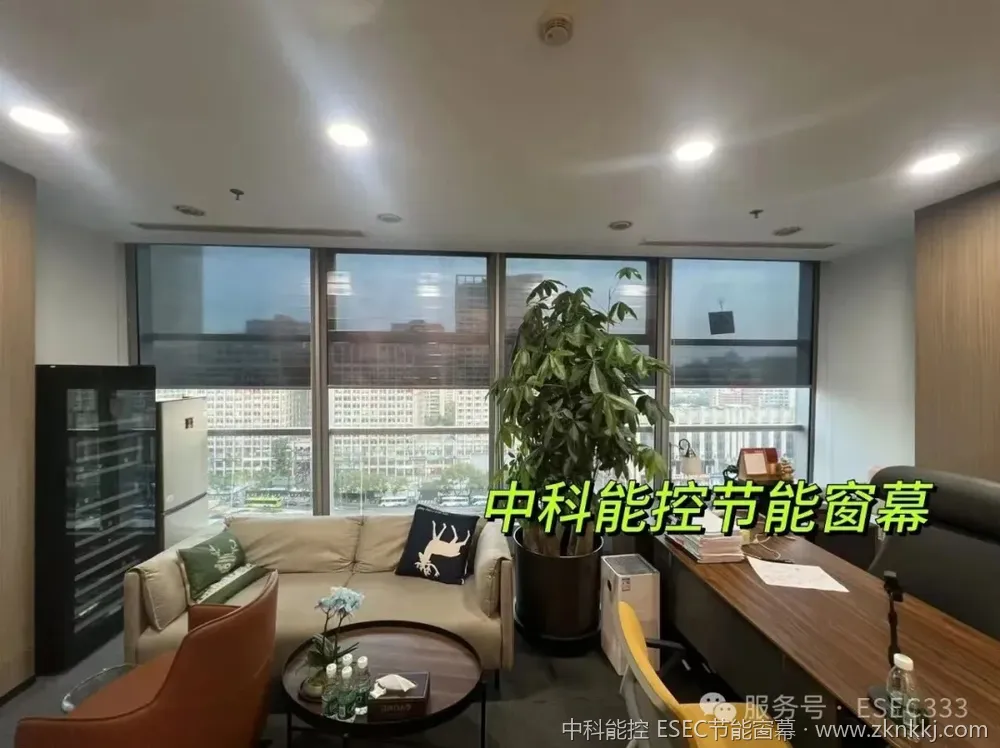
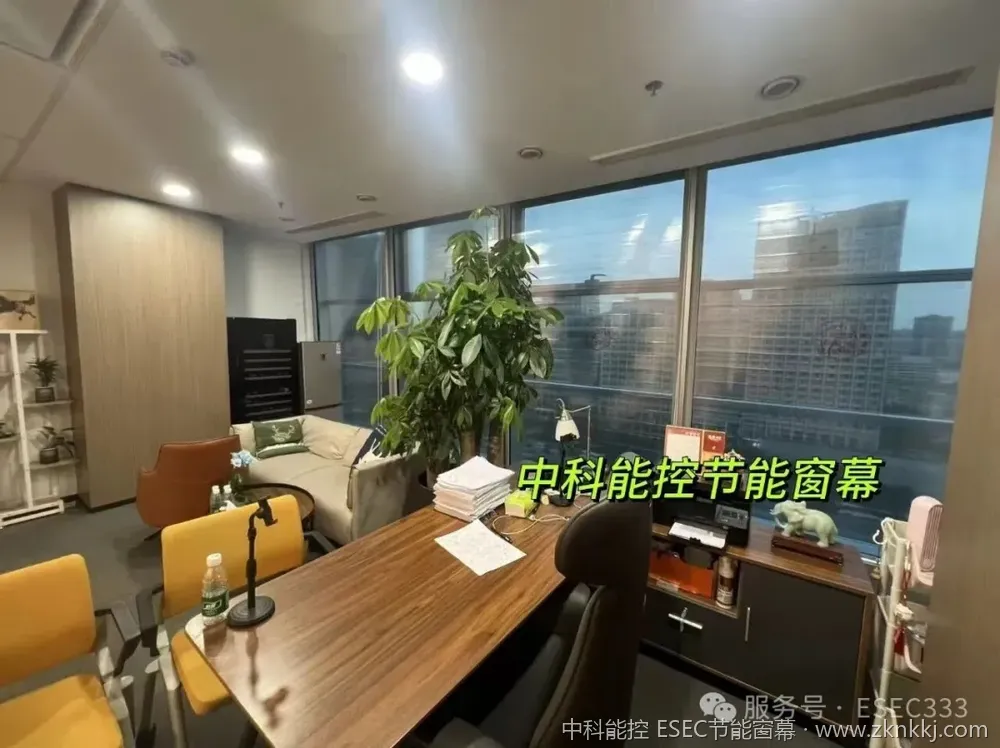
Heat is blocked directly outside the window, so even large floor-to-ceiling windows do not turn a room stuffy and scorching. Measured results show indoor temperatures can drop 3-5 °C after installation; it keeps you cool in summer and locks in indoor warmth in winter, truly delivering warmth in winter and coolness in summer.
2. Views and privacy at the same time, for a better feel at home
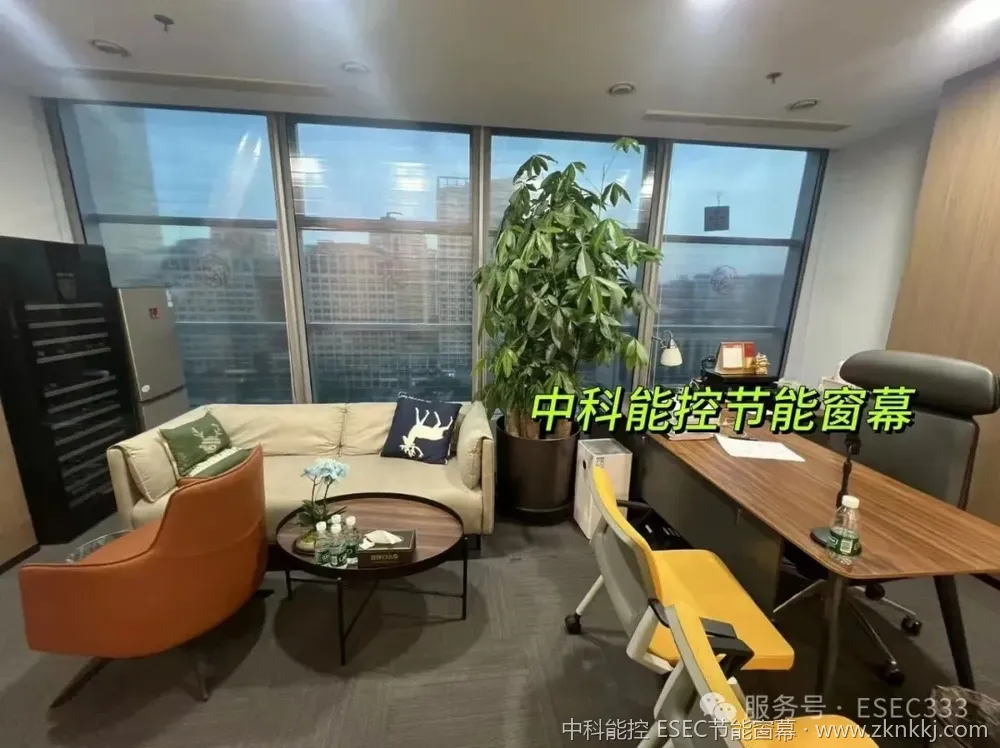
Insulation without blocking the scenery: you can clearly enjoy the outdoor view from indoors, while during the day people outside cannot see into the room, easily safeguarding household privacy without disrupting the style of your home’s decor.
3. Worry-free and durable, with no after-effects
Say goodbye to film bubbling, discoloration and aging, and avoid the hidden risk of spontaneous glass breakage at high temperatures. It is also easy to remove later, leaving no stubborn adhesive residue and causing no damage to the glass or wall finishes.
IV. Precise Purchasing Advice
✅ If you want long-term, stable insulation, a full panoramic view, high interior quality standards, and a once-and-for-all solution to heat and sun exposure
Choose an ESEC window curtain, suitable for homes, offices and commercial settings of all kinds
✅ If you need a short-term, simple insulation improvement on a limited budget for temporary use
You may choose ordinary solar film, but you must accept its shortcomings: a short service life, relatively weak insulation and easy deterioration later on