

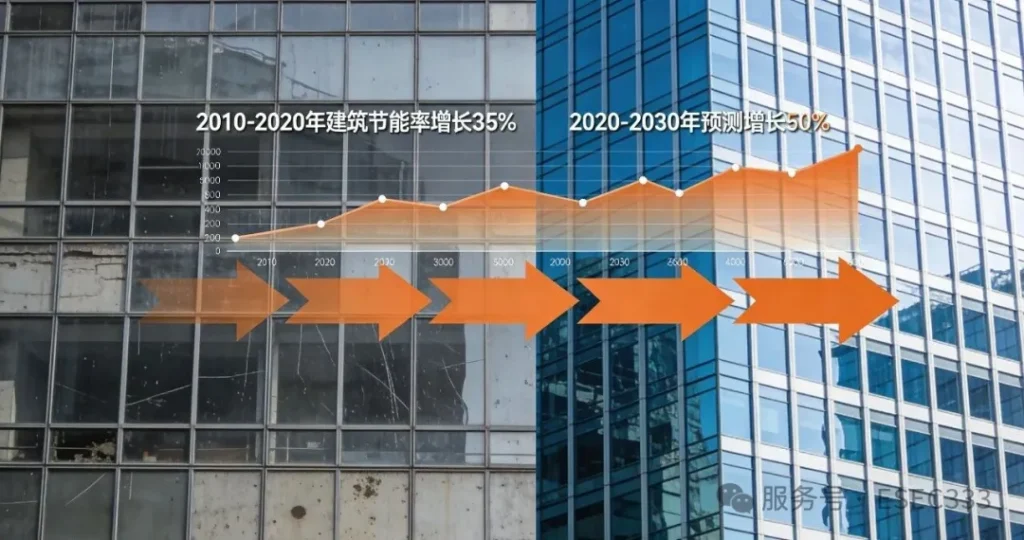
July’s heat wave swept the globe, with country after country setting new all-time temperature records. China’s domestic electricity load hit a record high and the pressure from air-conditioning demand surged sharply. As extreme heat becomes the norm, the glass curtain wall buildings spread across our cities are facing a severe test on energy efficiency. Building insulation is no longer an optional upgrade for comfort — it has become a hard necessity tied to operating costs and energy security.
On July 10, the national electricity load reached 1.518 billion kW, setting an all-time record, while since the start of summer provincial power grids have broken their peak-load records more than twenty times in total. Data show that air-conditioning cooling load accounts for close to 30 percent of nationwide electricity consumption, and more than 40 percent in some provinces. Persistently high cooling demand continues to pile pressure on the grid’s ability to secure supply.
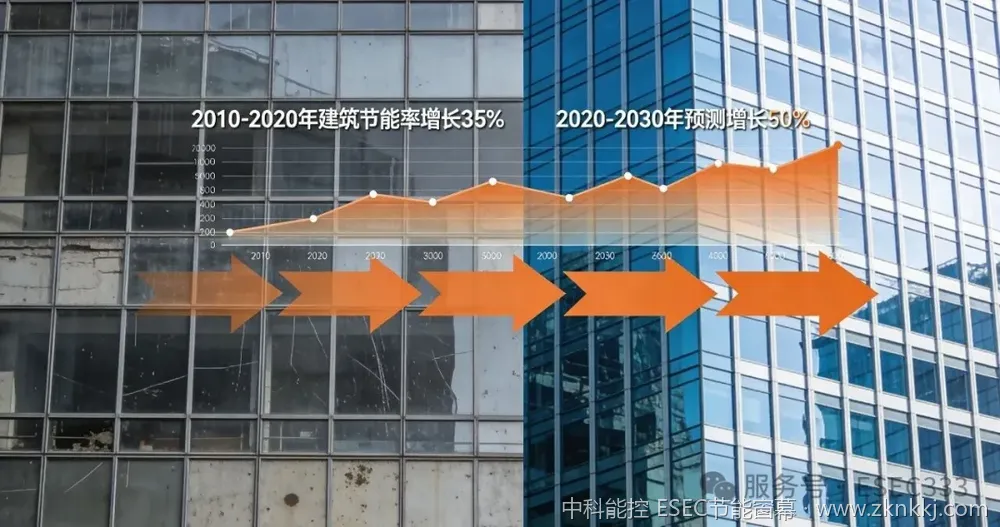
Globally, heat waves are raging in parallel. Temperatures in Germany, the Czech Republic and Poland broke national records; in the United States, the “heat dome” placed more than 163 million people in high-temperature zones; and in India, local temperatures approached 51 °C. The frequency of extreme weather has fully exposed the energy-efficiency weaknesses of urban buildings.
In modern cities, glass curtain walls have become the mainstream façade solution for office towers and public venues thanks to their transparency and visual appeal. Yet few people notice that exterior windows in curtain-wall buildings account for more than 30 percent of a building’s total energy consumption. Infrared radiation makes up as much as 53 percent of solar radiant energy and is the core heat source that drives indoor temperatures higher. Large expanses of glass without effective insulation treatment act like a giant greenhouse, continuously transferring heat indoors. Even with air conditioning running at full load, interiors remain stuffy and electricity costs keep climbing.
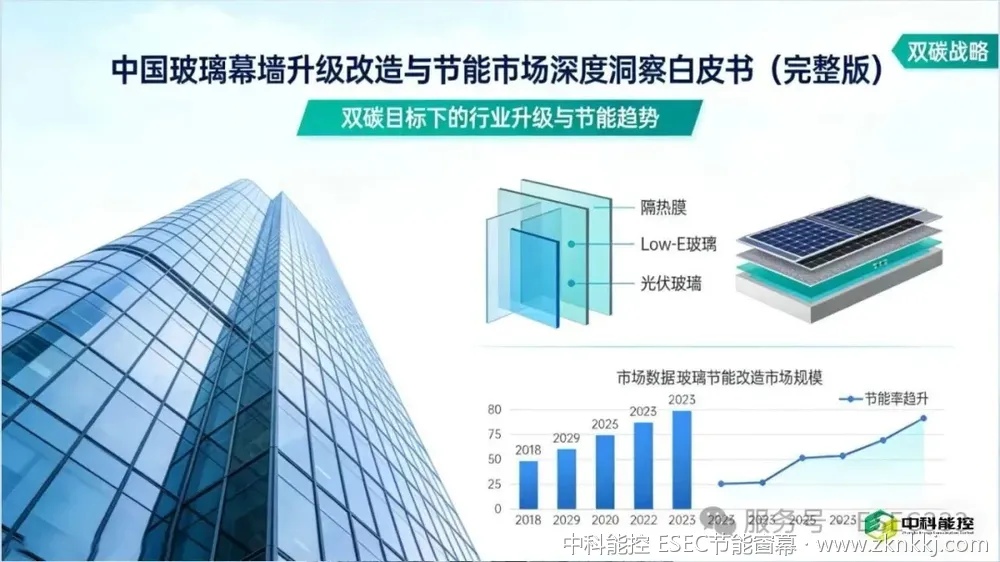
Building curtain wall energy efficiency has now split into two clear tracks. For new public buildings, energy-saving policies have continued to tighten in 2026, and triple glazing with Low-E coatings is gradually becoming the industry mainstream. New glass with an argon-filled insulated cavity can substantially reduce the whole-window U-value, delivering around 40 percent energy savings compared with conventional double glazing. Double-skin façades also offer considerable efficiency gains and are well suited to being planned from the design stage.
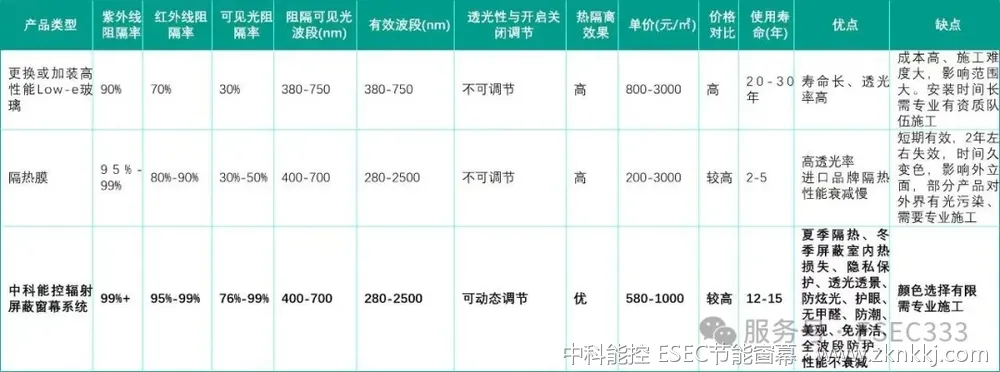
In China, however, the stock of existing buildings is enormous, and a great many still use ordinary clear glass or early-generation single-layer Low-E curtain walls. Copying the retrofit approach used for new buildings runs into one obstacle after another. Replacing an entire curtain wall is expensive and slow, and it seriously disrupts a building’s normal operation; window film offers limited insulation and is prone to aging and bubbling; and exterior shading louvers require high-altitude work and often fail property approval because they alter the building façade. For a long time, energy-efficiency retrofits of existing curtain walls have lacked a cost-effective, practical solution.
Against this backdrop, the insulating view-through shading window curtain offers the optimal answer for retrofitting existing buildings. The system is installed indoors, requiring no removal of the original glass and no change to the building façade, and installation does not disrupt daily office work. Powered by patented core technology, it blocks more than 90 percent of heat-generating infrared radiation while preserving over 70 percent visible light transmission — delivering highly effective insulation without blocking the view outside or making interiors dim.
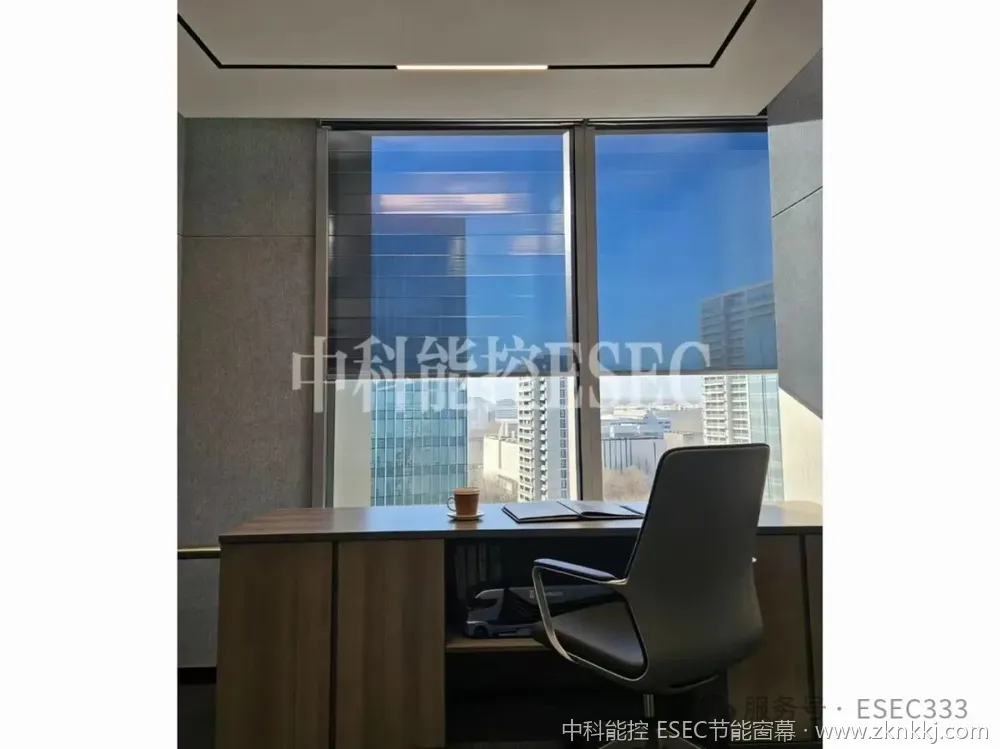
The industry trend is now clear: new buildings safeguard the energy-efficiency baseline through high-standard glazing, while the retrofit of tens of billions of square meters of existing buildings will be the sector’s biggest blue ocean in the years ahead. As smart technology spreads, shading systems linked with air conditioning and lighting to form a dynamic energy-saving framework can unlock further reductions.
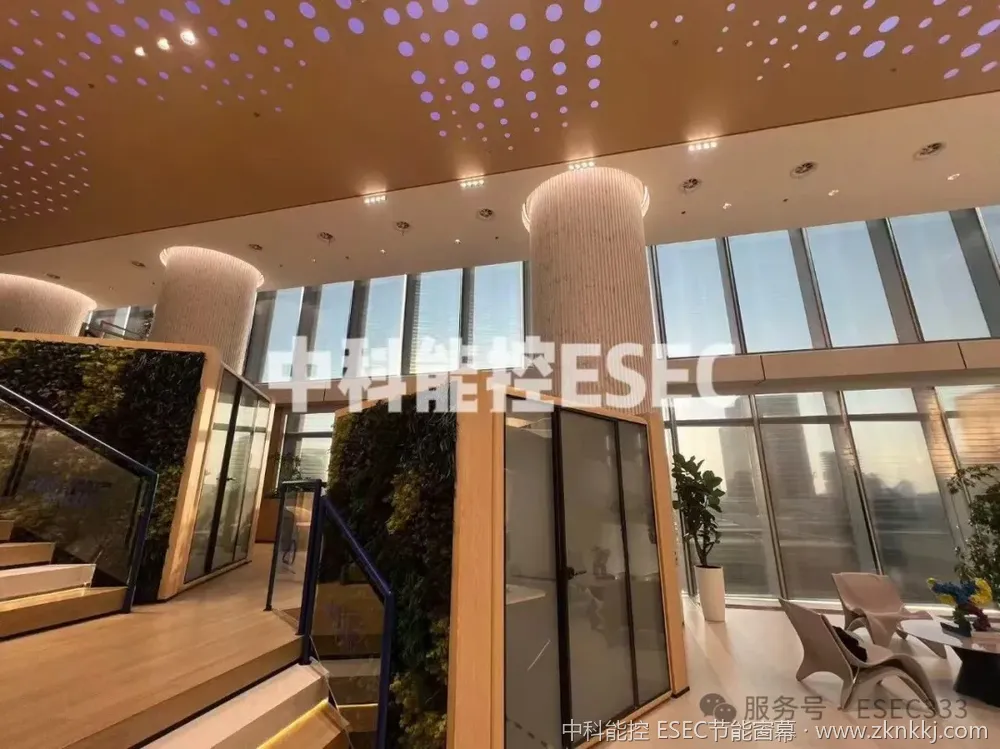
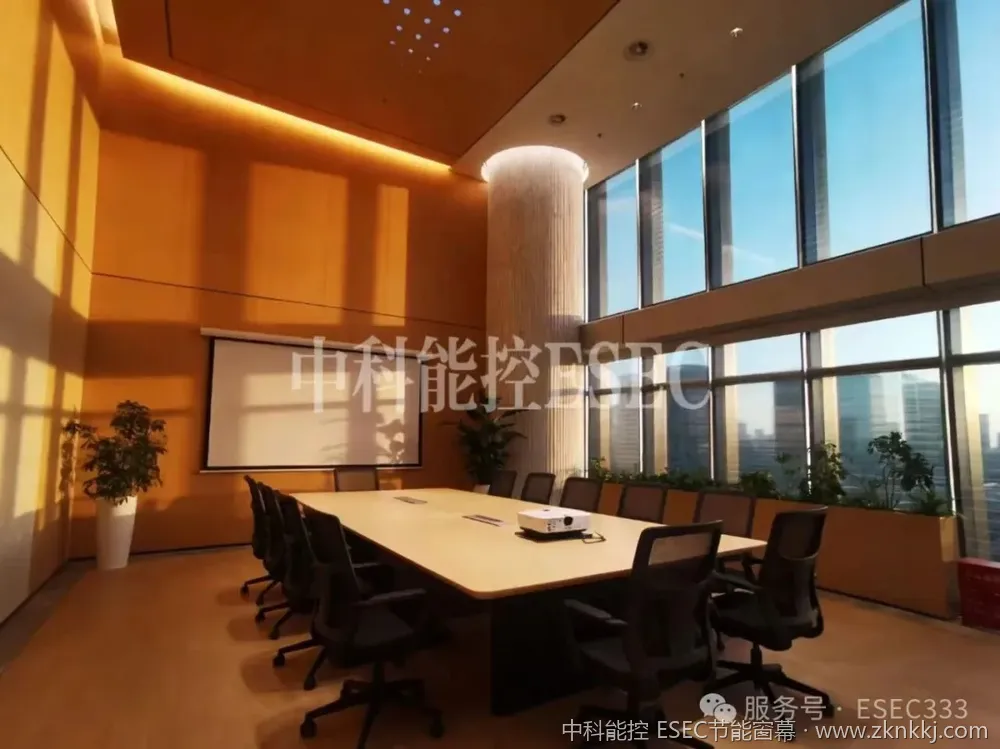
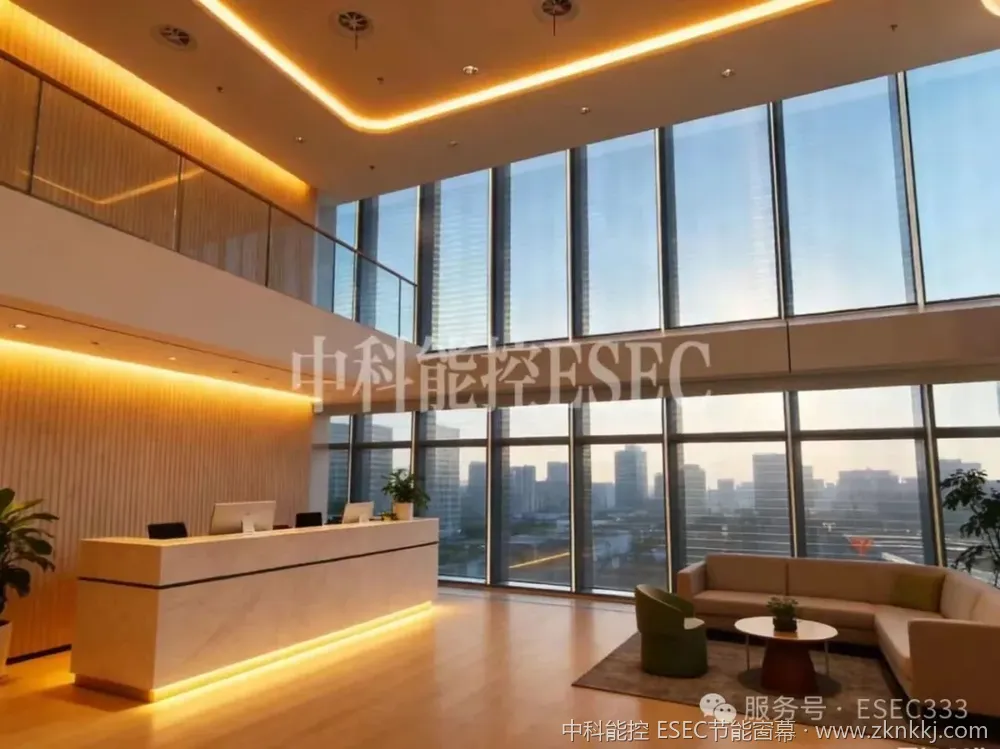
A warming summer will not be a short-term phenomenon. Facing extreme heat as the new normal, managers of commercial real estate and public buildings should reassess the value of curtain wall insulation. Cutting air-conditioning load, trimming operating expenses, complying with energy-saving policy and easing regional power pressure — where these needs converge, an efficient, convenient indoor shading and insulation solution that leaves the façade untouched is becoming the mainstream choice for existing curtain wall retrofits.
Zhongke Energy Consumption Control (ESEC) has long focused on the field of insulating view-through shading window curtains, targeting the heat-related pain points of glass curtain walls. With a proven, deployable energy-saving solution, ESEC helps all kinds of existing buildings overcome the “greenhouse problem” with ease and respond calmly to the challenge of sustained high temperatures.