
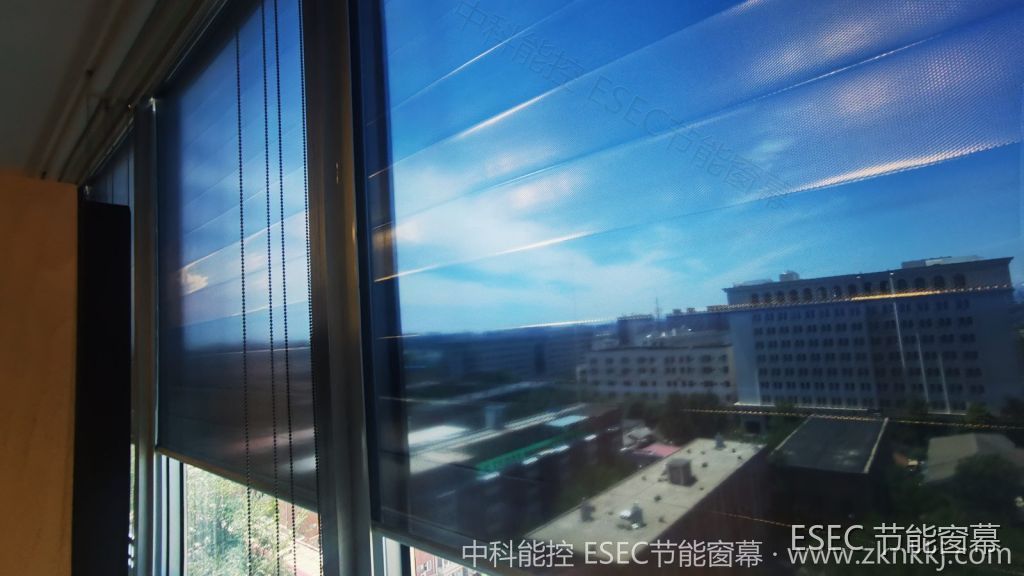
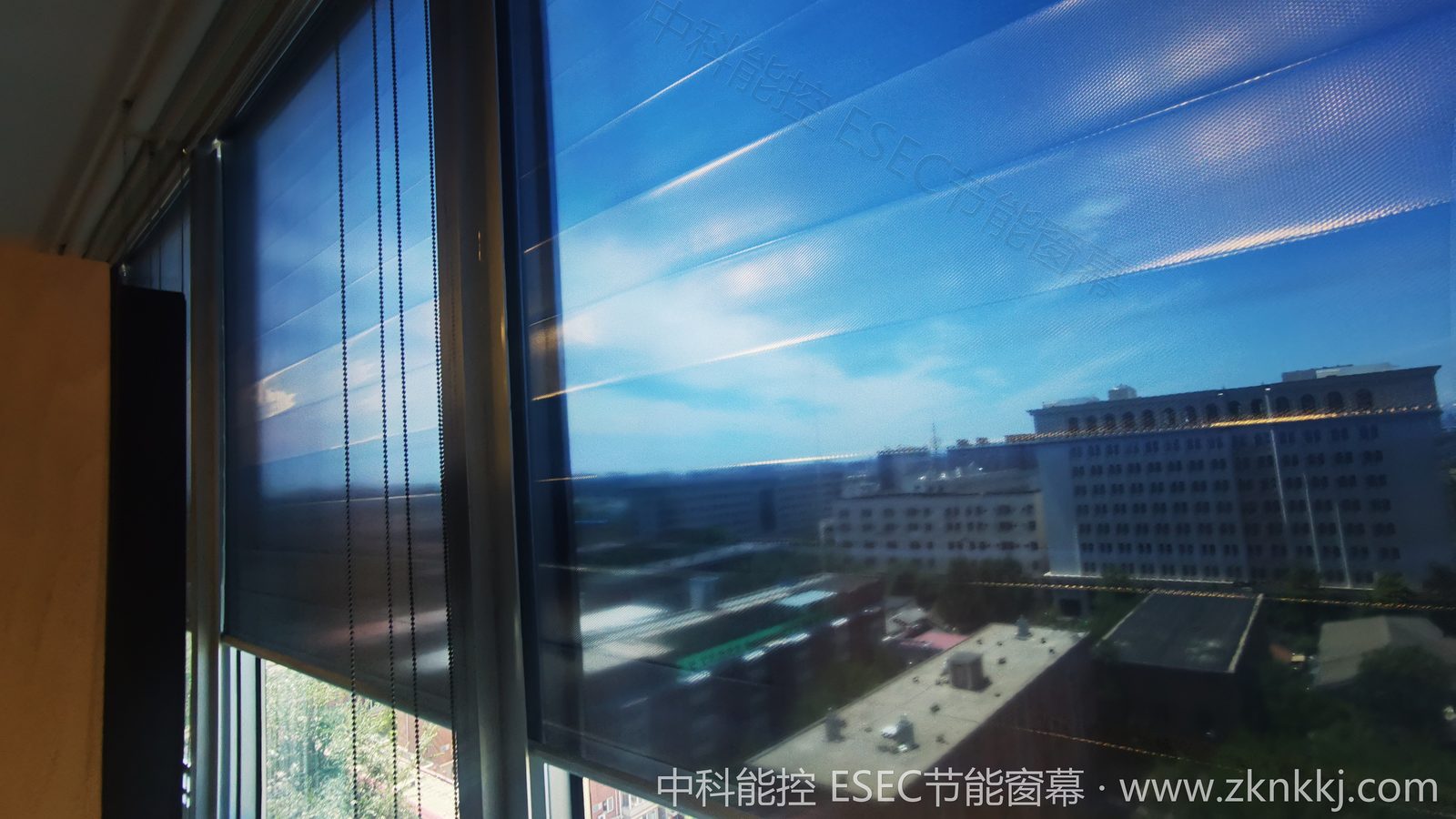
They want the retrofit, but the moment they hear ‘remove the glass, modify the profiles, bring in a construction crew’ they back off — the concern we hear most often from office tenants and owners of older buildings. It is not really a technical problem but a problem of decision risk: the retrofit can go ahead, but it must not affect structural safety, the original window’s warranty, normal business, the existing fit-out, or restoration at lease exit.
1. Laying Out the Concerns: It Was Never the Performance That Blocked the Decision
In a solution meeting, what really gives people pause is usually these six things:
- Structural safety: does removing and refitting glass and profiles affect the curtain-wall system?
- Original window warranty: if the original window is touched, how is the existing warranty split?
- Programme and trading hours: does the work require closing zones, and does it affect client visits?
- Fit-out coordination: do the ceiling, partitions, furniture or curtain boxes have to be modified?
- Restoration at lease exit: can the space be returned to its original state cheaply at lease expiry or relocation?
- Approvals and fire safety: will property management, fire-safety or fit-out inspections be triggered?
All six point to a single test:is the solution reversible.
2. Reversibility Is the First Criterion
To judge whether an add-on shading solution for an existing curtain wall is genuinely non-destructive and reversible, ask four questions — the more specific the answers, the better:
| Question | What to ask | Answer from a non-destructive solution |
|---|---|---|
| Does it touch the original window? | Does it require removing glass or modifying profiles? | No window removal, no structural change |
| Fixing method | Does it require drilling or sealing on the glass or profiles? | No adhesive, no damage to existing components |
| Time per window | How long does one window take, and must the whole floor close? | Window-by-window work; can be phased |
| Cost of restoration | After removal, can the original state be restored without marks? | Roll it fully up and the original state returns; it can be relocated and reused |
Writing these four questions into the technical agreement is more effective than debating aesthetic parameters in the proposal — it directly determines whether a project gets approved.
3. Reversible Does Not Mean Compromised: Shade by Day, Raise in the Evening and Winter
Some owners worry that a solution which leaves the window in place sacrifices performance. In fact, being adjustable is itself a performance advantage:
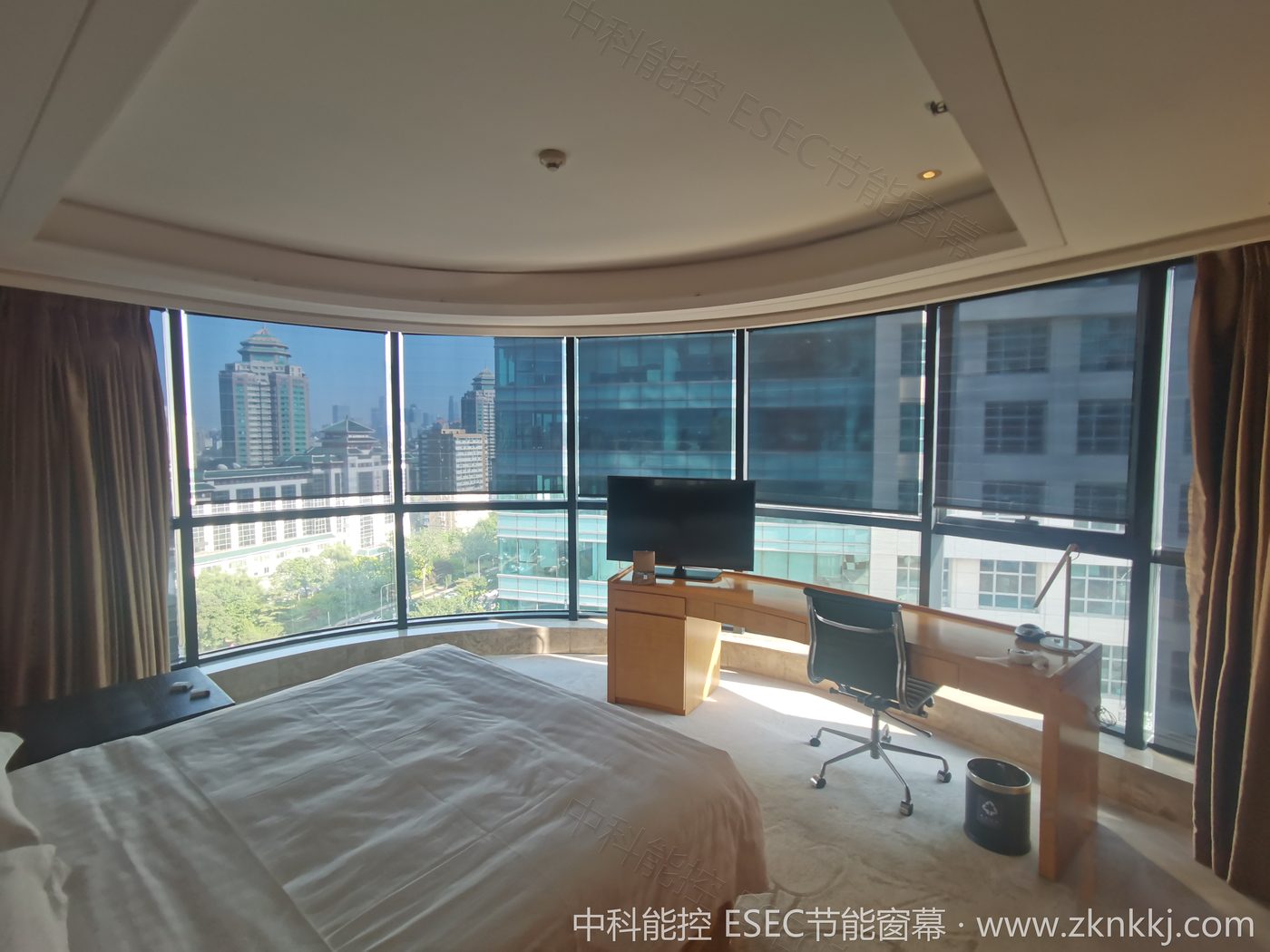
- Lowered by day: about 88% of solar radiant heat is reflected back outdoors, the summer air-conditioning set point can be raised by about 3 degrees C, and it can be switched off at times — all while keeping the view clear rather than blacking it out;
- Raised in the evening and on overcast days: full-window daylight and view are restored, with no loss of natural light or the night view;
- Lowered in winter: indoor heat loss is reduced and room temperature can rise by about 2 degrees C, easing condensation on the glass and the discomfort of cold radiation by the window.
4. Three Procurement Tips for Tenants
- State ‘no window removal, no structural change’ clearly in the contract, and agree on restoration terms and boundaries of responsibility at lease exit or relocation;
- Use third-party test reports as the basis for acceptance: a shading-coefficient and reflectance report and a heat-transfer test report, rather than accepting on feel alone;
- Work zone by zone and in phases: start with the sunniest wall and use measured data to decide whether to continue, keeping programme and budget risk to a minimum.
5. Two Reminders for Older Buildings and Property Managers
- Inspect first, retrofit second: older buildings often have ageing sealant and loose components, so carry out a curtain-wall safety inspection first, to avoid being interrupted by safety corrective work mid-retrofit and doubling the programme;
- Watch the policy window: many localities have set up subsidies and project-pool channels under urban renewal and existing-building energy retrofit programmes (for example Zhejiang’s 2026 measures for key energy-retrofit projects in existing public buildings, which specify an overall energy-saving rate generally no lower than 15% and investment per square metre generally no less than 80 yuan); qualifying projects can secure funding support.
6. In One Sentence
For tenants and older buildings, deciding whether a shading retrofit is worth doing starts with ‘can it be reversed?’ before ‘how much electricity does it save?’. Reversibility is what turns a retrofit from ‘a major project requiring careful thought’ into ‘a light decision you can adjust at any time’.
For a non-destructive retrofit plan and calculation tailored to your floor and window type, call +86 186 1068 5811, or use the savings calculator on our homepage for a first estimate.