
NEWS

News

Energy efficiency news · Curtain wall retrofit projects · Industry updates

2026-10-22

West-facing window-to-wall ratio over 0.3 with no external shading? Your building drops one energy label grade: Shandong writes “window penalty clauses” into energy performance labeling

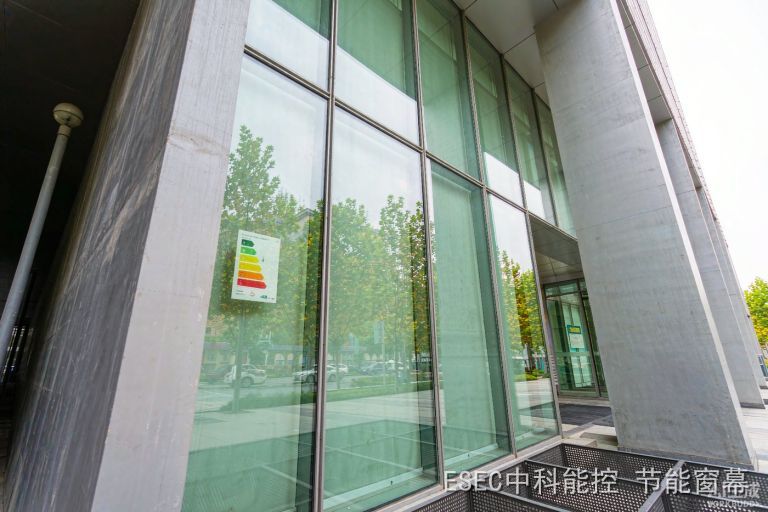
From November 1, 2026, Shandong Province implements DB37/T 5359-2026, the Standard for Energy Performance Evaluation and Labeling of Civil Buildings. A building's energy label now depends on more than the overall energy account — the standard contains two window-related downgrading clauses, one of which specifically targets "west-facing WWR over 0.3 with no external shading."
Read more →
2026-10-22

Who Looks After the Screen After Handover? A Facility Team Put It on the Shift Roster for One Winter

Shading retrofits rarely fail on site; they fail after the acceptance form is signed, when nobody can say who lowers the screen, when, or whom to call when it jams. This is a post-handover review: over one winter, a facility team turned the screens into shift-roster duties — when to raise them at dawn, when to lower them ahead of a cold snap, how to handle windy days, what to check in quarterly maintenance, and why "it looks like it is never used" is often a sign that it is working exactly as designed.
Read more →
2026-10-22

Cold Drafts in the Lobby, Stuffy Heat on Top Floors: Understanding the Stack Effect in High-Rise Buildings

In the same building, the ground-floor lobby is blasted by cold drafts while top floors feel stuffy and warm — not an HVAC failure but the stack effect: a building-wide "chimney" driven by buoyancy. Cold air infiltrates through lower gaps, warm air climbs shafts and escapes at the top. Understanding it shows where the draft at your window and the heat upstairs come from — two ends of the same machine.
Read more →
2026-10-22

Triple Glazing or Vacuum Glass? Two Ways to Stack a Window, and What Each Step from K 2.8 to 0.5 Costs

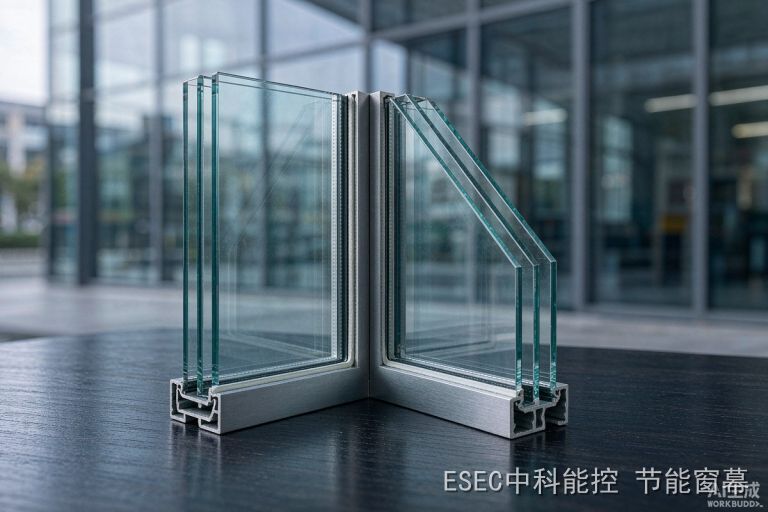
Triple-insulated glazing grinds heat down layer by layer with added panes and cavities; vacuum glass removes the medium altogether — taking the center-of-glass U-value from 2.6–3.0 for ordinary double glazing down to 0.4–0.8. For existing curtain-wall buildings, the real bottleneck is not on the spec sheet but in the glazing pocket, the weight and the construction cost. Understanding the boundary between the two routes tells you which path your building should take.
Read more →
2026-10-22

Beijing Puts “Building Energy Efficiency Rating” into Practice: Public Buildings Graded One to Five by Energy Intensity — Two Consecutive Years at Level Five Means Mandatory Retrofit

Effective February 1, 2025, the Beijing Measures for Energy Efficiency Grading of Public Buildings grade public buildings annually from one to five by comprehensive energy-use intensity: level one is best; buildings exceeding 1.8 times the limiting value fall to level five, and large public buildings rated level five for two consecutive years must implement energy-saving green retrofit based on energy-audit findings. For glass curtain-wall buildings, the energy audit inevitably turns to the envelope — the part that can be improved without touching the glass.
Read more →
2026-10-22

The Day the Client Inspected Us With a Standards Checklist: A Shading Retrofit From Pull-Out Testing to Sign-Off

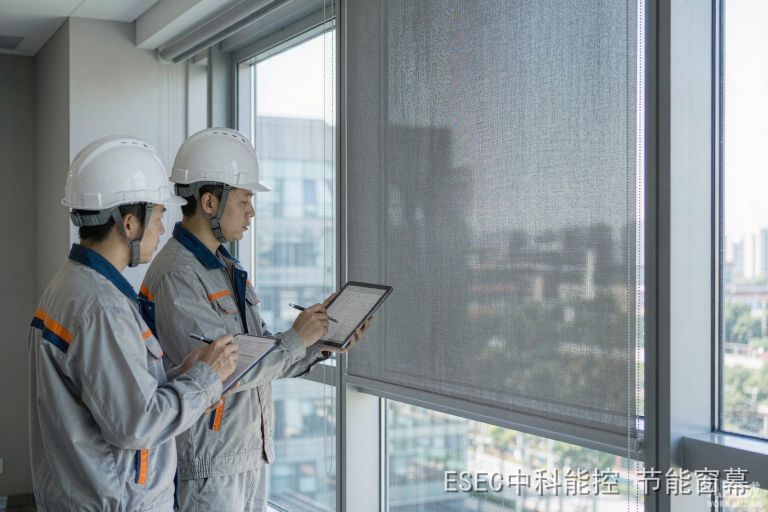
Acceptance of a shading retrofit starts long before completion day: anchor bolts must pass witnessed on-site pull-out tests, concealed works need photo records, installed tracks get measured against a 5 mm tolerance, and every roller is exercised against the commissioning clauses. Using a recent office-building window-screen installation as the case, this article translates the acceptance provisions of the Chinese JGJ 237-2011 building shading code into plain language — and shows why a retrofit that never touches the glass faces a far lighter acceptance regime than a curtain-wall replacement, while still taking every critical item seriously.
Read more →